


Choosing the right HVAC system for your Spokane home is not always as simple as picking the newest model, the lowest price, or the system your neighbor just had installed. Every home is different, and the best heating and cooling solution depends on several important factors, including your home’s size, layout, existing ductwork, insulation, energy efficiency goals, comfort preferences, and budget.
For homeowners in Spokane and the surrounding communities, HVAC decisions are especially important because our homes need to stay comfortable through a wide range of seasonal conditions. Winters can be cold, summers can be hot, and those in-between months can bring plenty of temperature swings.
That means your HVAC system needs to do more than just heat or cool. It needs to support year-round comfort, reliable performance, and efficient operation. Whether you’re replacing an older furnace, adding air conditioning for the first time, considering a heat pump, exploring ductless mini-splits, or trying to solve uneven temperatures in your home, understanding your options can help you make a more confident decision.
At Cline’s Heating and Air, we help Spokane homeowners compare HVAC systems based on their home, comfort needs, and long-term goals. The right system should fit your space, support your lifestyle, and give you dependable comfort season after season.
Why Choosing the Right HVAC System Matters in Spokane
Your HVAC system is one of the most important comfort systems in your home. It affects how warm your home feels in the winter, how cool it stays in the summer, how evenly air moves through each room, and how much energy your home uses throughout the year.
In Spokane, heating and cooling equipment must operate across a wide range of conditions. A system that performs well during mild weather still needs to be ready for colder winter nights and hot summer afternoons. That is why choosing the right type of HVAC system matters.
The right system can help improve:
- Home comfort
- Energy efficiency
- Indoor air quality
- Temperature consistency
- Humidity control
- Airflow
- Utility costs
- Long-term reliability
- Home value
However, the system itself is only part of the equation. Proper sizing, professional installation, ductwork condition, and routine maintenance all play a major role in how well your HVAC system performs. Even a high-efficiency system can struggle if it is installed incorrectly, sized improperly, or connected to ductwork that cannot support proper airflow.
Key Factors to Consider Before Choosing an HVAC System
Before comparing specific systems, it helps to think about what your home actually needs. A larger home with existing ductwork may need a very different solution than a smaller home, an older home, a finished basement, an addition, a garage, or a home office.
Home Size and Layout
The size and layout of your home matter. Larger homes often need a whole-home solution that can move conditioned air consistently through multiple rooms and floors. Smaller homes, additions, or homes with separated living areas may benefit from zoned heating and cooling.
Some homes also have areas that are harder to keep comfortable. Maybe the upstairs gets too hot in the summer. Maybe a basement stays cold. Maybe a sunroom, bonus room, or converted garage never feels quite right. These layout challenges can influence which HVAC system makes the most sense.
Existing Ductwork
If your home already has ductwork in good condition, central air conditioning, a gas furnace, or a ducted heat pump may be practical options. If your home does not have ductwork, or if adding ducts would be expensive or disruptive, a ductless mini split system may be a better fit.
Ductwork should always be evaluated before installing new equipment. Leaky, undersized, dirty, damaged, or poorly designed ducts can reduce comfort and efficiency, even when the new HVAC equipment is working properly.
Energy Efficiency Goals
Some homeowners are focused on lowering monthly utility costs. Others want to reduce their reliance on fossil fuels, upgrade from older equipment, or invest in a more efficient year-round comfort system.
Heat pumps and ductless mini splits are often attractive options for energy-conscious homeowners because they move heat rather than generating it through combustion. However, the right choice depends on your home, system design, and comfort needs.
Budget and Long-Term Value
Upfront costs matter, but they should not be the only factor. A less expensive system may cost more over time if it is inefficient, poorly matched to the home, or unable to meet comfort needs. On the other hand, a higher-efficiency system may offer long-term savings and better comfort when properly installed.
When comparing HVAC systems, it helps to look at:
- Installation cost
- Energy use
- Maintenance needs
- Expected lifespan
- Repair the history of your current system
- Comfort improvements
- Potential efficiency gains
The best value is not always the cheapest option. It is the system that delivers the right balance of comfort, performance, efficiency, and reliability.

Central Air Conditioning Systems
Central air conditioning is one of the most familiar cooling options for Spokane homeowners. It uses an outdoor unit and an indoor coil, working with your home’s ductwork to distribute cooled air throughout the house.
Central air is commonly paired with a gas furnace. The furnace blower helps move cooled air through the duct system during the summer and heated air during the winter.
Best Fit For
Central air conditioning may be a good fit for homes with existing ductwork, larger homes, and homeowners who want whole-home cooling from one system. It can also be a smart option for families with a forced-air furnace who want to add cooling.
Benefits of Central Air
Central air provides consistent cooling throughout the home when the system is properly sized and the ductwork is in good condition. It also allows homeowners to control the system from a central thermostat, making it simple and familiar to use.
Central air may also work well with indoor air quality upgrades, such as improved filtration, air purifiers, and humidity control. For homeowners who want traditional whole-home cooling, it can be a dependable option.
Things to Consider
Central air requires ductwork. If your ducts are leaky, poorly insulated, or poorly designed, your cooling may feel uneven from room to room. Some areas may get too cold, while others stay too warm.
Central air also provides cooling only. It does not heat the home on its own, so it is usually paired with a furnace or another heating system.
For Spokane homeowners with existing ductwork and a reliable furnace, central air can be a strong choice. For homes without ducts, a ductless option may be more practical.
Gas Furnaces
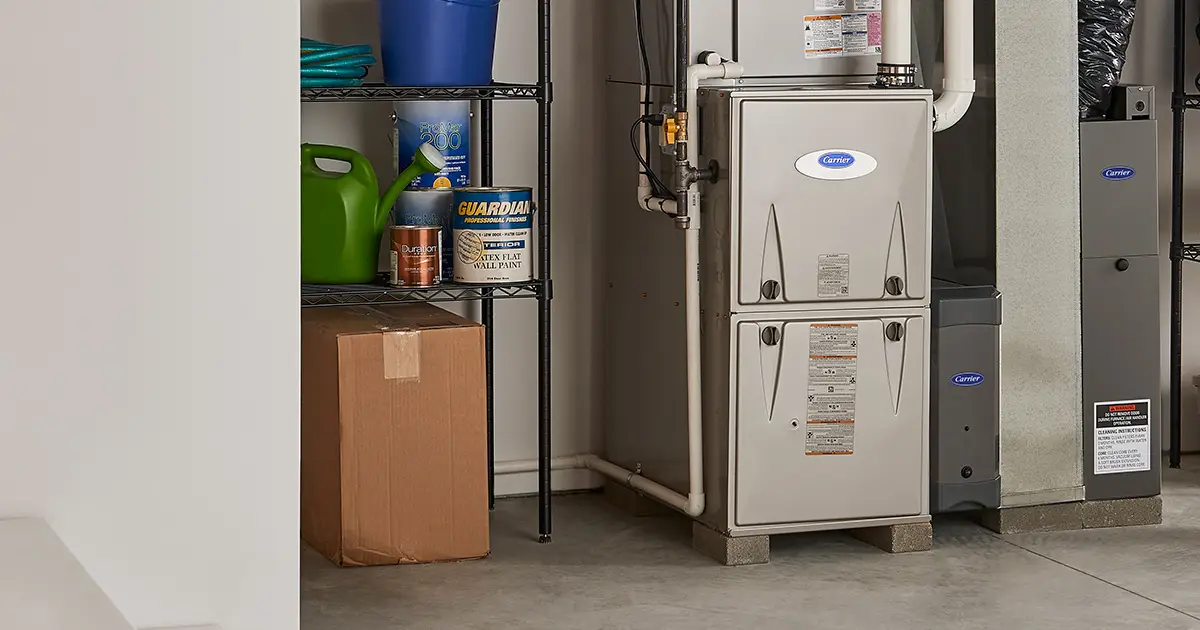
Gas furnaces remain one of the most common heating systems for Spokane homes. A furnace heats air and distributes it through ductwork using a blower. Because Spokane winters can bring cold temperatures, many homeowners appreciate the strong heating performance of a gas furnace.
Best Fit For
A gas furnace may be a good fit for homes with existing ductwork, homes connected to natural gas, and homeowners who want reliable heating during colder weather. It is also a common replacement option when an older furnace is nearing the end of its lifespan.
Benefits of Gas Furnaces
Gas furnaces are known for powerful, dependable heat. They can warm a home quickly and perform well during cold weather. They are also compatible with central air conditioning, which makes them a familiar choice for homeowners who want a traditional heating and cooling setup.
A high-efficiency furnace can also be a major improvement over older equipment, especially if your current furnace is struggling, cycling frequently, or causing uneven temperatures.
Things to Consider
A gas furnace provides heat but not cooling. If you want air conditioning, you will need to pair it with central AC or consider another system option.
Furnace efficiency can vary depending on the model, age, installation quality, and maintenance history. Duct condition also matters. If airflow is restricted or ducts are leaking, the furnace may not heat your home as evenly or efficiently as it should.

Heat Pumps
Heat pumps have become a popular option for homeowners who want both heating and cooling from one system. Instead of creating heat through combustion, a heat pump moves heat from one place to another.
In the summer, a heat pump works much like an air conditioner by moving heat out of your home. In the winter, it pulls heat from the outdoor air and transfers it inside.
Best Fit For
Heat pumps may be a good fit for homeowners who want year-round comfort, improved energy efficiency, and a single system that can handle both heating and cooling. They can work well for homeowners replacing both an air conditioner and a heating system, or for those interested in a more efficient upgrade.
Benefits of Heat Pumps
One of the biggest benefits of a heat pump is that it provides both heating and cooling. This makes it a flexible solution for Spokane homeowners seeking year-round comfort.
Heat pumps can also be highly efficient because they move heat rather than generating it. For many homes, this can help reduce energy use compared to older systems.
Another advantage is comfort consistency. A properly selected and installed heat pump can provide steady heating and cooling without the sharp temperature swings some homeowners experience with older equipment.
Things to Consider
Heat pump performance depends on the specific model, the home, and the system design. In colder climates, some homes may benefit from backup heat, especially during very cold weather. That does not mean a heat pump is a poor choice. It simply means the system needs to be matched carefully to the home and Spokane’s seasonal conditions.
Proper sizing is extremely important. A heat pump that is too small may struggle to keep up, while one that is too large may cycle too often, reducing comfort.
For many Spokane homeowners, a heat pump can be an excellent option, but it should be selected after a professional evaluation of the home, ductwork, insulation, and comfort goals.
If you want to learn more about heat pumps, please read Why More Spokane Homeowners are Making the Switch to Heat Pumps.

Ductless Mini Split Systems
Ductless mini split systems are a flexible heating and cooling option that do not require traditional ductwork. They use an outdoor unit connected to one or more indoor units. Each indoor unit serves a specific room or zone.
This makes ductless mini-splits especially useful for homes or spaces where traditional ducts are not practical.
Best Fit For
Ductless mini splits may be a good fit for older homes without ductwork, home additions, finished basements, garages, bonus rooms, sunrooms, workshops, home offices, and rooms that are difficult to keep comfortable.
They are also a great option for homeowners who want zoned comfort. Instead of heating or cooling the entire home the same way, you can control specific areas individually.
Benefits of Ductless Mini Splits
One of the biggest advantages of ductless mini-splits is flexibility. Because they do not need ductwork, they can often be installed with less disruption than a traditional ducted system.
They also provide room-by-room temperature control. This can be helpful if one part of the home gets too warm or too cold, or if different family members prefer different temperatures.
Ductless mini-splits can be very efficient, especially because they avoid the energy losses that can happen through ductwork. They can also provide both heating and cooling, depending on the system.
Things to Consider
Ductless systems have indoor units that are visible in the rooms they serve. For many homeowners, this is not a problem, but it is worth considering if appearance is a major concern.
The cost can also vary depending on the number of zones needed. A single-zone system for a garage or bonus room may be straightforward, while a multi-zone system for several areas of the home requires more planning.
Placement matters too. Indoor units need to be located where they can distribute air effectively and support comfort in the space.
Hybrid Systems
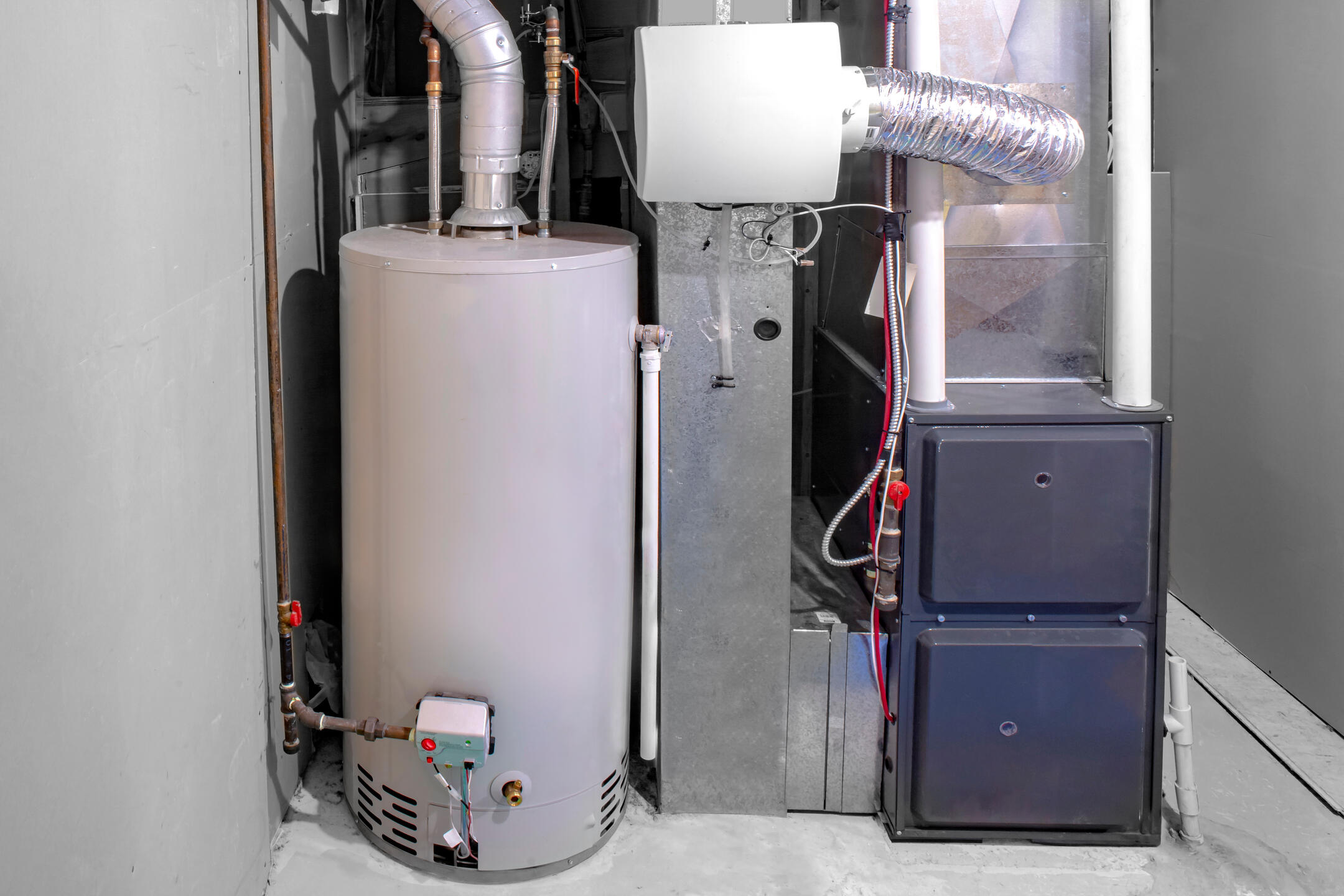
A hybrid HVAC system combines two heating sources, often a heat pump and a gas furnace. The heat pump handles heating and cooling during milder weather, while the furnace can take over when outdoor temperatures drop.
For Spokane homeowners, this can be an appealing option because it offers the efficiency benefits of a heat pump along with the dependable backup heat of a furnace.
Best Fit For
Hybrid systems may be a good fit for homeowners who want energy efficiency, year-round comfort, and strong heating performance during colder weather. They can also be a smart option for homes that already have gas furnace infrastructure but are considering the benefits of a heat pump.
Benefits of Hybrid Systems
A hybrid system gives homeowners flexibility. During milder weather, the heat pump can provide efficient heating. During colder conditions, the furnace can provide powerful backup heat.
This setup can help balance comfort, efficiency, and peace of mind. It can also be a practical upgrade path for homeowners who like the idea of a heat pump but still want the security of gas heat during Spokane’s colder months.
Things to Consider
Hybrid systems can cost more upfront because they involve more equipment and a more detailed system design. They also require a proper setup so the system knows when to switch between the heat pump and furnace.
For homeowners planning to stay in their home long-term, a hybrid system may offer strong value. However, it should be designed and installed by experienced professionals who understand how to match the equipment to the home.
Comparing HVAC System Options for Spokane Homes
With several HVAC options available, it helps to see how each system compares at a glance. Some systems are designed mainly for heating, while others provide cooling or year-round comfort. The best choice depends on your home’s layout, existing ductwork, efficiency goals, and how you prefer to heat and cool your space.
| HVAC System | Provides Heating | Provides Cooling | Best For |
|---|---|---|---|
| Central Air Conditioning | No | Yes | Homes with ductwork that need whole-home cooling |
| Gas Furnace | Yes | No | Reliable winter heating in homes with ductwork |
| Heat Pump | Yes | Yes | Efficient year-round heating and cooling |
| Ductless Mini Split | Yes | Yes | Zoned comfort and homes without ductwork |
| Hybrid System | Yes | Yes | Efficiency plus dependable backup heat |
This comparison can help narrow down your options, but it should not replace a professional evaluation. The right HVAC system depends on how your home is built, how well your current equipment is performing, and what kind of comfort you want throughout Spokane’s heating and cooling seasons.
Why Proper Sizing Matters
Choosing the right type of HVAC system is important, but choosing the right size is just as critical. An oversized or undersized system can cause ongoing comfort and performance problems.
A system that is too small may run constantly and still struggle to heat or cool the home. A system that is too large may turn on and off too frequently, leading to uneven temperatures, higher energy use, increased wear, and poor humidity control.
Proper sizing is not based solely on square footage. A professional HVAC evaluation should consider:
- Home size
- Layout
- Insulation
- Window quality
- Sun exposure
- Ceiling height
- Ductwork condition
- Airflow
- Existing equipment
- Comfort concerns
At Cline’s Heating and Air, we look at the whole home before recommending a system. The goal is to install equipment that fits the home properly, performs efficiently, and supports dependable comfort over time.
Why Ductwork Should Be Evaluated Before Replacing Your HVAC System
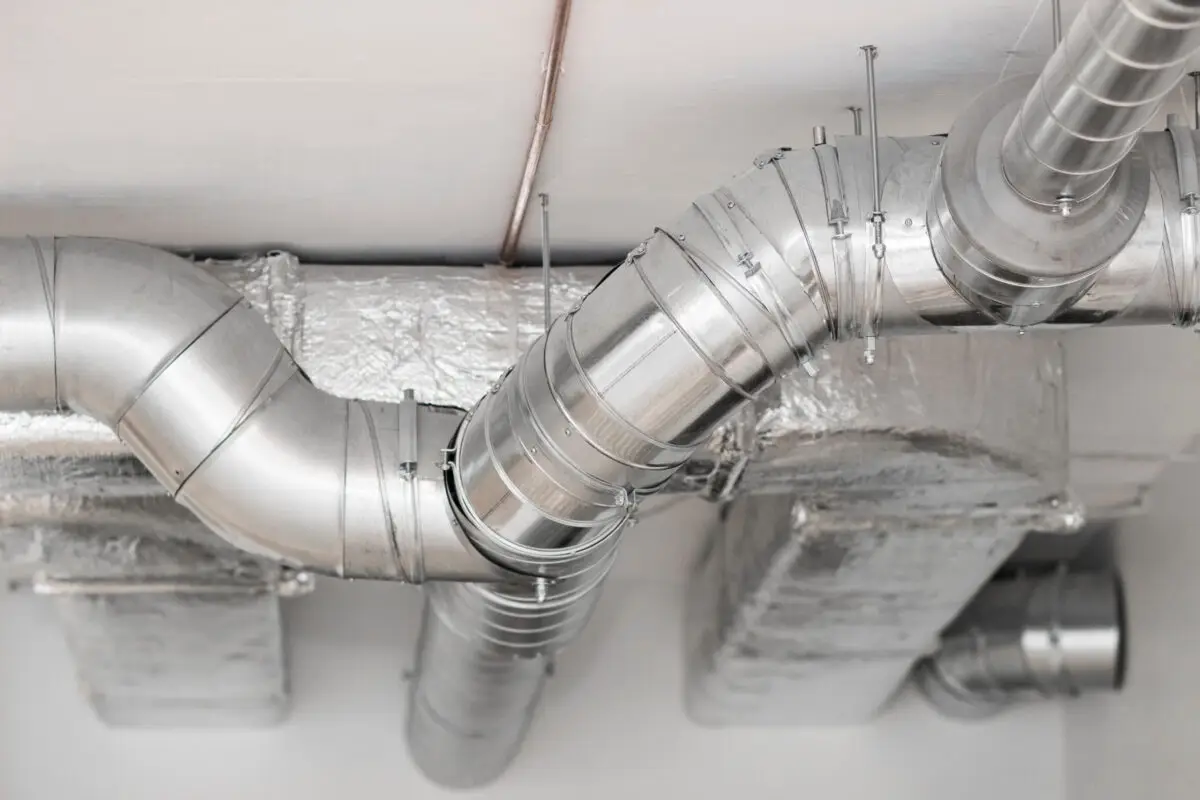
If your home has ductwork, it plays a major role in how well your HVAC system performs. Even the best furnace, air conditioner, or heat pump can underperform if the duct system is leaking, damaged, dirty, undersized, or poorly balanced.
Duct problems can contribute to:
- Uneven temperatures
- Weak airflow
- Higher energy bills
- Dustier indoor air
- Hot and cold spots
- Strain on HVAC equipment
- Reduced system efficiency
Before installing a new central air conditioner, furnace, or ducted heat pump, ensure the ductwork can support the new system. In some cases, duct repairs, sealing, cleaning, or adjustments may help improve comfort and performance.
This is especially important in older Spokane homes, where duct systems may not have been designed for modern heating and cooling equipment.
When It May Be Time to Replace Your HVAC System
Sometimes homeowners know their HVAC system needs attention because it completely breaks down. Other times, the warning signs are more gradual.
It may be time to consider replacement if you notice:
- Uneven heating or cooling
- Rising energy bills
- Frequent repairs
- Weak airflow
- Strange noises
- Unusual odors
- Short cycling
- Rooms that never feel comfortable
- A system that struggles during hot or cold weather
- An aging furnace, air conditioner, or heat pump
A repair may be enough in some cases. In others, replacement may be the better long-term decision, especially if your system is older, inefficient, or becoming more expensive to maintain.
A professional Cline’s HVAC technician can help you compare the cost of repairs against the value of upgrading to a newer, more efficient system.
Which HVAC System Is Best for Your Spokane Home?
There is no single HVAC system that is best for every home. The right choice depends on your home’s layout, existing equipment, ductwork, budget, and comfort goals.
A gas furnace may be a great choice if you want strong winter heat and already have ductwork. Central air may be ideal if you want whole-home cooling and have a forced-air system. A heat pump may be the right fit if you want efficient heating and cooling from one system.
A ductless mini split may be the best solution for an addition, a garage, an older home, or a room that never feels comfortable. A hybrid system may make sense if you want energy efficiency with dependable backup heat.
The best way to decide is to have your home evaluated by an experienced HVAC professional. That way, you can compare your options clearly and choose a system that fits your home, not someone else’s.
How Cline’s Heating and Air Helps Spokane Homeowners Choose the Right HVAC System
At Cline’s Heating and Air, we understand that choosing a new HVAC system is a big decision. Homeowners want comfort, reliability, energy efficiency, and honest guidance. They also want to know they are making a smart investment in their home.
Our team helps homeowners throughout Spokane and North Idaho compare HVAC options based on their specific needs. We take the time to look at the home, discuss comfort concerns, review existing equipment, and explain which systems may be the best fit.
Cline’s Heating and Air provides professional HVAC installation, repair, and maintenance services for:
- Furnaces
- Central air conditioning systems
- Heat pumps
- Ductless mini splits
- Hybrid HVAC systems
- Indoor comfort solutions
Whether you’re replacing an older system, preparing for summer, planning for winter, or finally addressing discomforts in your home, you want an HVAC company you can trust.
Here’s why Spokane homeowners consider Cline’s Heating and Air their first choice:
- Industry Expertise: Our experienced technicians are proficient with all major HVAC system brands and models, ensuring flawless installations every time.
- Top-Quality Products: We partner with the industry’s most reputable manufacturers to offer systems that excel in performance and durability.
- Customer-Centered Service: From consultation to installation and beyond, we prioritize your comfort and satisfaction.
- Competitive Pricing: Our transparent pricing ensures you get the best value without hidden fees or surprises.
- Ongoing Support: After installation, we’re here to provide maintenance and answer any questions to keep your system in peak condition.
Contact Cline’s Heating and Air today to request an estimate for HVAC system installation, replacement, repair, or maintenance service in Spokane and North Idaho.
Frequently Asked Questions About HVAC Systems for Spokane Homes
What is the best HVAC system for a Spokane home?
The best HVAC system for a Spokane home depends on the home’s size, layout, ductwork, insulation, budget, and comfort needs. A gas furnace may be ideal for strong winter heating, while central air is a good option for whole-home cooling in homes with ductwork. Heat pumps and ductless mini splits can provide both heating and cooling, while hybrid systems offer efficiency with dependable backup heat.
Are heat pumps a good choice for Spokane homeowners?
Yes, heat pumps can be a good choice for many Spokane homeowners, especially those seeking efficient heating and cooling in a single system. The right model and system design matter, particularly during colder weather. Some homes may benefit from backup heat or a hybrid setup that pairs a heat pump with a gas furnace.
What is the difference between central air and a heat pump?
Central air conditioning provides cooling only and is often paired with a furnace for heating. A heat pump provides both cooling and heating by moving heat in or out of the home, depending on the season. Both systems can use ductwork, but a heat pump may offer more year-round functionality.
Is a ductless mini split better than central air?
A ductless mini split is not automatically better than central air, but it can be the better fit for certain homes and spaces. Mini splits are great for homes without ductwork, additions, garages, finished basements, bonus rooms, and areas with hot or cold spots. Central air may be better for homeowners who want traditional whole-home cooling through existing ductwork.
Do I need ductwork for a new HVAC system?
Not always. Central air conditioners, furnaces, and many ducted heat pumps use ductwork, but ductless mini-splits do not require traditional ducts. If your home does not have ductwork, or if adding ducts would be expensive or disruptive, a ductless system may be a practical option.
How do I know if my HVAC system is the right size?
An HVAC system should be sized based on more than square footage. A professional evaluation should consider your home’s layout, insulation, windows, sun exposure, ductwork, airflow, and comfort concerns. A system that is too large or too small can cause uneven temperatures, higher energy use, and unnecessary wear.
When should I replace my HVAC system rather than repair it?
Replacement may be worth considering if your system is older, inefficient, needs frequent repairs, struggles to keep your home comfortable, or causes rising energy bills. If repair costs are becoming significant, an HVAC technician can help you compare repair costs with the long-term value of upgrading.
What is a hybrid HVAC system?
A hybrid HVAC system usually combines a heat pump with a gas furnace. The heat pump can provide efficient heating and cooling during milder weather, while the furnace can provide strong backup heat during colder conditions. This can be a good option for Spokane homeowners who want both efficiency and dependable winter performance.
Can one HVAC system heat and cool my home?
Yes. Heat pumps, ductless mini splits, hybrid systems, and some packaged systems can provide both heating and cooling. Traditional central air systems provide cooling only and are often paired with a furnace for heating.
Why should Spokane homeowners work with Cline’s Heating and Air?
Cline’s Heating and Air helps homeowners throughout Spokane and North Idaho choose HVAC systems tailored to their homes, comfort needs, budgets, and efficiency goals. Their team provides professional installation, repair, and maintenance for furnaces, central air conditioners, heat pumps, ductless mini-splits, and other indoor comfort systems.