


More Spokane homeowners are taking a closer look at heat pumps because they offer an appealing mix of comfort, efficiency, and long-term value. For households considering energy use, system upgrades, or consistent indoor temperatures, a heat pump can be a smart option. One of the biggest advantages is year-round comfort. A heat pump provides both heating and cooling, allowing homeowners to rely on a single system to keep the home comfortable through Spokane’s seasonal changes.
Energy efficiency is another major reason for the growing interest. Because a heat pump transfers heat rather than generating it, it can often operate more efficiently than some conventional HVAC systems. When properly selected and professionally installed, that efficiency can help support lower monthly utility costs and dependable performance over time.
Contact Cline’s Heating And Air
Heat pumps are also appealing to homeowners who want a more environmentally responsible comfort solution. By using electricity to transfer heat rather than relying on fuel combustion, as some traditional systems do, they can help reduce carbon emissions and support a more energy-conscious home. Another benefit many homeowners appreciate is quiet operation. Modern heat pumps are designed to run more quietly than many older heating and cooling systems, helping create a more peaceful indoor environment.
Durability is another part of the appeal. Today’s heat pumps are built for reliable, long-term performance. When professionally installed and properly maintained, they can offer lasting value for homeowners looking to invest in comfort and efficiency. That versatility is a big part of why more Spokane homeowners are exploring whether a heat pump is the right fit for their home.

Stacked Heat Pump
How Does a Heat Pump Work?
At its core, a heat pump moves heat rather than generating it. While that may sound technical, the basic idea is fairly simple. In heating mode, the system pulls available heat from the outdoor air and transfers it inside your home. Even when it feels cold outside, there is still heat energy in the air that the system can capture and move indoors.
In cooling mode, the process reverses, allowing the heat pump to remove heat from inside the home and send it outside, much like a traditional air conditioner. Because it handles both heating and cooling, a heat pump can serve as an all-in-one comfort system for many homes. Depending on the type of system and the home’s setup, a heat pump may fully replace a traditional furnace and air conditioner.
In other situations, it may work alongside an existing furnace as part of a dual-fuel system, with the heat pump handling most heating and cooling, and the furnace providing supplemental heating during colder weather. That flexibility is one reason more homeowners are taking a closer look at heat pumps, especially in places like Spokane, where both winter heating and summer cooling matter.
Are Heat Pumps a Good Fit for Spokane’s Climate?
That’s one of the biggest questions homeowners ask, and it is a fair one. Spokane experiences a wide range of weather year-round, from cold winters to warm summers, so any HVAC system needs to be selected with local conditions in mind. Modern heat pumps are designed to perform efficiently even in colder temperatures, providing reliable heating during Spokane’s harsh winters.
The good news is that modern heat pump technology has come a long way. Today’s systems are much more capable than many people realize, and the right equipment can perform very well when properly sized and installed for the home.
It’s also important to understand that a heat pump doesn’t always need to replace an existing HVAC system entirely. In some homes, a heat pump can serve as the primary heating and cooling system, replacing a more traditional setup. In other cases, it can work alongside an existing furnace, depending on the type of system, the home’s layout, and the household’s comfort needs.
For example, some homeowners choose a dual-fuel setup, where the heat pump handles heating and cooling for much of the year, and the furnace takes over during colder stretches when extra heating power may be beneficial. This kind of arrangement can offer a practical balance of comfort, efficiency, and flexibility in climates like Spokane’s.
The key is choosing the right heat pump type, capacity, and configuration for the specific house. Factors like insulation, windows, home size, ductwork condition, and comfort expectations all matter. Working with local professionals like Cline’s Heating and Air, who specialize in heat pumps and understand Spokane’s climate, ensures the best results.
The Three Main Types of Heat Pumps
There are three main types of heat pumps, each offering different advantages depending on the home, layout, and homeowner’s comfort goals. Understanding the differences can make it easier to see which type of system may be the best fit.
Air Source Heat Pumps
Air source heat pumps are the most common type used in residential homes. These systems transfer heat between your home and the outdoor air, providing year-round heating and cooling. A popular choice, they can work well in many homes with existing ductwork and can often replace or upgrade a more traditional heating and cooling setup. For homeowners looking to improve energy efficiency while simplifying indoor comfort, an air source heat pump is often a practical option.
Ductless Mini Split Heat Pumps
Ductless mini split heat pumps offer a flexible solution for homes without ductwork or for areas that need more targeted temperature control. These systems use individual indoor units connected to an outdoor unit, allowing homeowners to manage comfort in specific rooms or zones. Mini splits are often a great option for home additions, converted garages, finished basements, older homes, home offices, or rooms that tend to feel warmer or cooler than the rest of the house. They are also appealing to homeowners who want more personalized control over different parts of the home.
Ground Source or Geothermal Heat Pumps
Ground source heat pumps, also known as geothermal systems, use the stable temperatures below the earth’s surface to transfer heat. These systems are known for exceptional efficiency and strong long-term performance. However, geothermal systems typically require a more complex installation and a higher upfront investment than other heat pump options.
For some properties, they can be an excellent long-term solution, but whether they make sense often depends on factors like lot size, project scope, and budget. The best heat pump option often depends on the home’s layout, existing ductwork, comfort priorities, and how the system will perform through the area’s changing seasonal temperatures.

What to Expect During a Heat Pump Installation
Heat pump installation should never be treated as a one-size-fits-all project. The process needs to account for the home’s layout, heating and cooling needs, and the type of system being installed. At Cline’s Heating and Air, the installation process begins with an in-home evaluation to assess square footage, insulation, airflow, existing equipment, and any conditions that could affect performance.
The next step is selecting the right system. Proper sizing matters tremendously. A system that is too large or too small can lead to comfort problems, inefficiency, and unnecessary wear over time. If the home uses ductwork, the duct system may also need to be reviewed to make sure it is in good enough condition to support the new equipment. In homes without ducts, a ductless system may be the better fit.
Installation itself may involve placing or replacing indoor and outdoor equipment, making refrigerant and electrical connections, setting up controls or thermostats, and thoroughly testing the system to ensure it is operating correctly. Once everything is in place, the Cline’s Heating and Air team walks homeowners through basic operation, thermostat use, and recommended care so they feel confident using their new system.
Why Proper Installation Matters
Even a high-quality heat pump can underperform if it is not installed correctly. Installation quality affects nearly everything that matters to a homeowner, including comfort, efficiency, reliability, airflow, noise levels, and equipment lifespan. When a system is carefully sized and properly installed, it is far more likely to deliver the comfort and efficiency homeowners are hoping for. It is also more likely to operate safely and require fewer avoidable service issues down the road.
That is one reason it pays to work with an experienced HVAC company that knows how to match the system to the home, rather than simply swapping out equipment and calling it done. At Cline’s Heating and Air, careful system selection and professional installation help Spokane homeowners get the performance, comfort, and long-term value they expect from their investment.

Heat Pump Maintenance Tips for Spokane Homeowners
Like any HVAC system, a heat pump performs best when properly maintained. Regular maintenance can support energy efficiency, indoor comfort, and long-term system reliability. One of the easiest and most important tasks for homeowners is to check and replace the air filter as needed.
A dirty filter can restrict airflow and force the system to work harder than necessary, affecting both comfort and efficiency. It’s also important to keep the outdoor unit clear of leaves, dirt, and overgrown vegetation. Maintaining good airflow around the unit helps the system operate more effectively and reduces unnecessary strain.
Additionally, homeowners should monitor changes in the system’s performance. If the heat pump begins making unusual noises, struggles to maintain the desired temperature, or runs longer than usual, it may be time to have it inspected. Professional maintenance is an important part of protecting the system over time.
Routine tune-ups allow HVAC technicians to inspect components, check refrigerant levels, test electrical connections, clean key parts, and catch smaller issues before they become more expensive problems. At Cline’s Heating and Air, we help Spokane homeowners stay ahead of heat pump issues with professional maintenance that supports dependable comfort and long-term system performance.
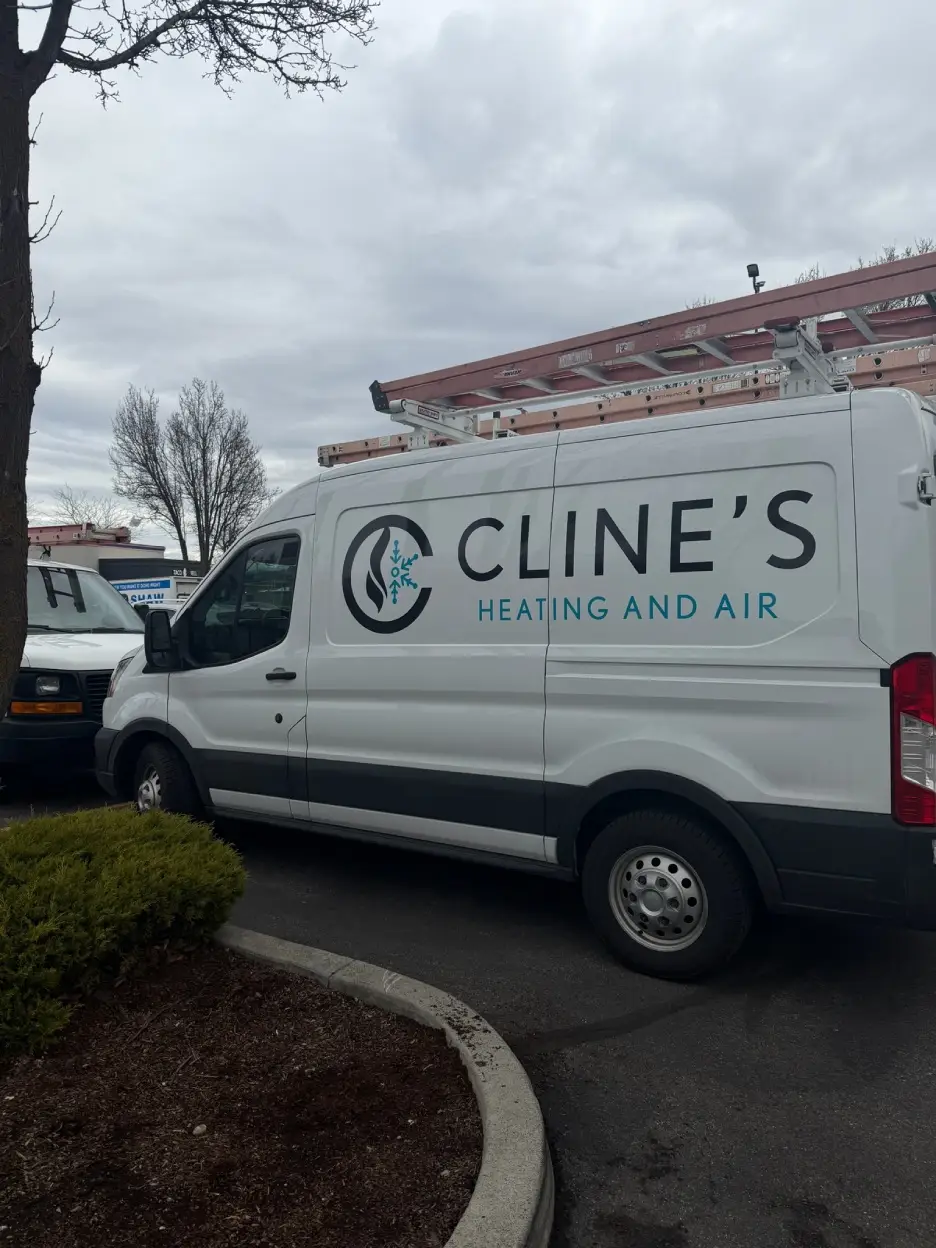
Why Work with Cline’s Heating and Air
When you are making a major HVAC decision, experience and local knowledge matter, Cline’s Heating and Air has been serving Spokane and North Idaho since 1988, and our team understands the comfort challenges homeowners in this region face year-round.
As a locally owned, veteran-owned, and woman-owned company, we take pride in delivering honest guidance, quality workmanship, and dependable service. Whether you are just beginning to learn about heat pumps or ready to explore installation options, it helps to work with a team that can answer your questions clearly and recommend solutions tailored to your home’s real needs.
Heat Pump FAQs for Spokane Homeowners
What is a heat pump?
A heat pump is a system that heats and cools your home by moving heat rather than generating it. In colder weather, it pulls heat from the outdoor air and moves it inside. In warmer weather, it reverses the process to cool your home.
How is a heat pump different from a furnace?
A furnace creates heat, typically by burning fuel or using electric resistance. A heat pump works differently by transferring heat from one place to another. It can also provide both heating and cooling, while a furnace only heats.
Can a heat pump replace my current HVAC system?
In some homes, yes. A heat pump can sometimes replace both a traditional furnace and an air conditioner. In other cases, it may work alongside an existing furnace in a dual fuel setup, depending on the home, the system design, and the homeowner’s comfort goals.
Are heat pumps a good fit for Spokane homes?
They can be. Modern heat pumps are much more capable than many people realize, and the right system can work well in Spokane’s changing seasonal conditions. Proper sizing, installation, and system selection all play an important role in how well a heat pump performs.
What are the main types of heat pumps?
The three main types are air-source heat pumps, ductless mini-split heat pumps, and ground-source (geothermal) heat pumps. Each type offers different advantages depending on the home’s layout, existing ductwork, and comfort needs.
Do heat pumps provide both heating and cooling?
Yes. One of the biggest benefits of a heat pump is that it can handle both heating and cooling, providing homeowners with a year-round indoor comfort solution in a single system.
Are heat pumps energy efficient?
Heat pumps are known for their high energy efficiency because they transfer heat rather than generating it traditionally. When properly installed and maintained, they can often operate more efficiently than some conventional heating systems.
Do heat pumps help lower energy bills?
Yes, they can. Actual savings depend on the home, insulation levels, energy use habits, and the system being replaced, but many homeowners see heat pumps as a smart option for improving efficiency and controlling monthly utility costs.
Are heat pumps environmentally friendly?
Heat pumps can be a more environmentally conscious option because they use electricity to transfer heat rather than relying on combustion, as some traditional systems do. Their efficiency can also help reduce overall energy use.
Are heat pumps loud?
Modern heat pumps are generally designed to operate quietly, especially compared to some older HVAC systems. Noise levels can vary by equipment type and installation quality, which is one more reason professional installation matters.
How long do heat pumps last?
A heat pump’s lifespan depends on the equipment, installation quality, usage, and maintenance. With professional installation and regular service, many heat pumps provide reliable long-term performance for homeowners.
What maintenance does a heat pump need?
Basic heat pump maintenance includes changing the air filter as needed, keeping the outdoor unit free of debris, monitoring for any unusual performance changes, and scheduling regular professional tune-ups. Ongoing maintenance helps support efficiency, comfort, and system longevity.

Make a Smart Move Toward Better Comfort and Efficiency
Choosing a heat pump can be a smart long-term investment for homeowners who want improved comfort, better energy efficiency, and a system that handles both heating and cooling. At Cline’s Heating and Air, we are here to help you evaluate your options, select the right system for your home, and ensure the installation is handled with care and expertise.
We also provide ongoing maintenance and support to help protect your investment. If you’re ready to explore whether a heat pump is the right fit for your Spokane home, contact Cline’s Heating and Air to schedule a consultation and take the next step toward a more comfortable, efficient home.