

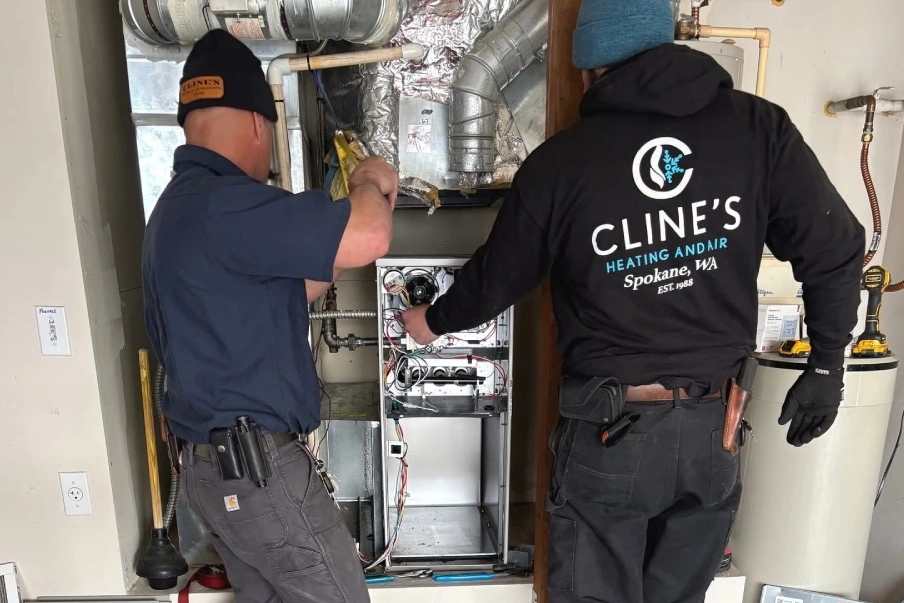
Commercial HVAC systems play an essential role in keeping buildings comfortable, productive, and safe year-round. Whether the property is an office, retail store, healthcare facility, restaurant, hotel, school, retirement community, or industrial building, reliable heating, cooling, airflow, and ventilation support daily operations.
When a commercial heating and cooling system begins to struggle, the first warning signs may seem minor. One area may feel warmer than the rest of the building. Airflow may become weaker. The equipment may run longer than usual, make unfamiliar noises, or cause utility bills to rise unexpectedly.
These symptoms should not be ignored. Commercial HVAC problems often develop gradually, and seemingly minor issues can strain other components. Prompt commercial HVAC troubleshooting can help identify the source of the problem before it leads to greater discomfort, property damage, system downtime, or an expensive emergency repair.
Cline’s Heating and Air provides commercial HVAC service throughout Spokane and Northern Idaho. With experience servicing a wide range of commercial equipment and building types, our technicians help businesses identify HVAC problems, understand their causes, and determine the most practical solution.
Why Commercial HVAC Problems Require Prompt Attention
Commercial HVAC systems are generally larger and more complex than residential equipment. Depending on the property, the mechanical system may include rooftop units, furnaces, boilers, heat pumps, chillers, pumps, ventilation systems, exhaust equipment, zoning controls, ductwork, and building automation components.
A problem in one part of the system can affect performance throughout the building.
Delaying commercial HVAC repair may lead to:
- Uncomfortable employees, customers, residents, or tenants
- Interrupted business operations
- Reduced employee productivity
- Temperature risks for inventory or equipment
- Higher monthly energy costs
- Poor indoor air quality
- Damage to connected HVAC components
- Unexpected equipment shutdowns
- More extensive repair expenses
Early diagnosis is especially important in buildings that require consistent temperature control, including medical facilities, server rooms, restaurants, retirement communities, and commercial spaces containing temperature-sensitive products or equipment.
1. Inadequate Heating or Cooling
One of the most common commercial HVAC problems is a system that runs but fails to provide sufficient heating or cooling. The building may take too long to reach the desired temperature, or the system may never fully satisfy the thermostat.
Inadequate heating or cooling can have many possible causes, including:
- Dirty or clogged air filters
- Restricted airflow
- Dirty evaporator or condenser coils
- Refrigerant leaks
- Compressor problems
- Failing fans or blower motors
- Incorrect thermostat settings
- Aging HVAC components
- Improperly sized equipment
- Increased building demand
The building itself may also have changed since the HVAC system was originally installed. Renovations, additions, increased occupancy, new equipment, extended operating hours, or changes in how individual spaces are used can all affect heating and cooling loads.
Because several problems can produce the same symptom, professional testing is often necessary to determine whether the issue is related to airflow, controls, refrigerant, electrical components, equipment capacity, or mechanical wear.
2. Uneven Temperatures Throughout the Building
Commercial buildings frequently develop hot and cold spots. One office may feel comfortable while another remains unusually warm. Conference rooms, upper floors, corner offices, retail areas, kitchens, and server rooms may all have different heating and cooling requirements.
Uneven temperatures may be caused by:
- Poor air balancing
- Blocked supply or return vents
- Leaking or damaged ductwork
- Malfunctioning dampers
- Improper zoning
- Thermostat placement problems
- Failed temperature sensors
- Building layout changes
- Increased occupancy
- Incorrectly sized equipment
Air balancing problems are particularly common in commercial properties because different areas of the building often require different amounts of conditioned air. A room with large windows, several employees, computers, or heat-producing equipment will have a different load than a storage area or lightly occupied office.
An experienced Cline’s Heating and Air HVAC technician can evaluate airflow, duct pressure, dampers, controls, and zoning performance to determine why certain parts of the building are receiving too much or too little conditioned air.
3. Weak or Restricted Airflow
Poor airflow can make a commercial HVAC system run longer while providing less comfort. Employees or tenants may notice that very little air is coming from the vents, or some areas may receive stronger airflow than others.
Common causes of weak airflow include:
- Clogged air filters
- Dirty evaporator coils
- Blocked ductwork
- Closed or damaged dampers
- Worn or loose belts
- Blower motor problems
- Fan failures
- Duct leakage
- Incorrect fan speed
- Poor air distribution design
Restricted airflow forces the system to work harder to move conditioned air through the building. Over time, this can contribute to higher energy use, frozen coils, overheating components, motor strain, and premature equipment failure.
Filters are among the first components to check, but replacing a filter will not fix every airflow issue. Persistent airflow problems may require duct inspection, fan testing, belt replacement, coil cleaning, air balancing, or control adjustments.
4. Rising Commercial Energy Bills
An unexplained increase in heating or cooling costs may be an early indication that the commercial HVAC system is losing efficiency. When equipment must run longer to maintain the same temperature, it consumes more energy. In other situations, incorrect schedules or control problems may cause the system to operate when the building is unoccupied.
Possible causes of increased HVAC energy use include:
- Dirty filters
- Contaminated coils
- Aging equipment
- Refrigerant problems
- Duct leakage
- Incorrect thermostat schedules
- Failed sensors
- Poorly calibrated controls
- Simultaneous heating and cooling
- Worn motors or bearings
- Insufficient preventive maintenance
Building owners should consider changes in weather, operating hours, occupancy, and utility rates when reviewing energy costs. However, a sudden or steady increase in those factors that cannot be explained may justify a commercial HVAC inspection.
A Cline’s HVAC technician can compare equipment runtime, temperature performance, airflow, electrical readings, and control settings to determine where energy may be wasted.
5. Frequent Cycling or Continuous Operation
Commercial HVAC equipment should operate in reasonably consistent cycles. When the system repeatedly starts and stops within a short period, the condition is known as short cycling. Other systems experience the opposite problem: they run continuously without reaching the desired temperature.
Possible causes include:
- Dirty air filters
- Incorrectly sized equipment
- Low refrigerant
- Frozen evaporator coils
- Thermostat or sensor problems
- Electrical control failures
- Excessive building demand
- Poor insulation or air leakage
- Compressor problems
- Improper control programming
Frequent starts place additional wear on motors, compressors, contactors, and electrical components. Continuous operation also increases energy consumption and may indicate that the system is unable to meet the building’s load. Both conditions should be investigated before the additional strain causes a larger equipment failure.
6. Thermostat and Building Control Problems
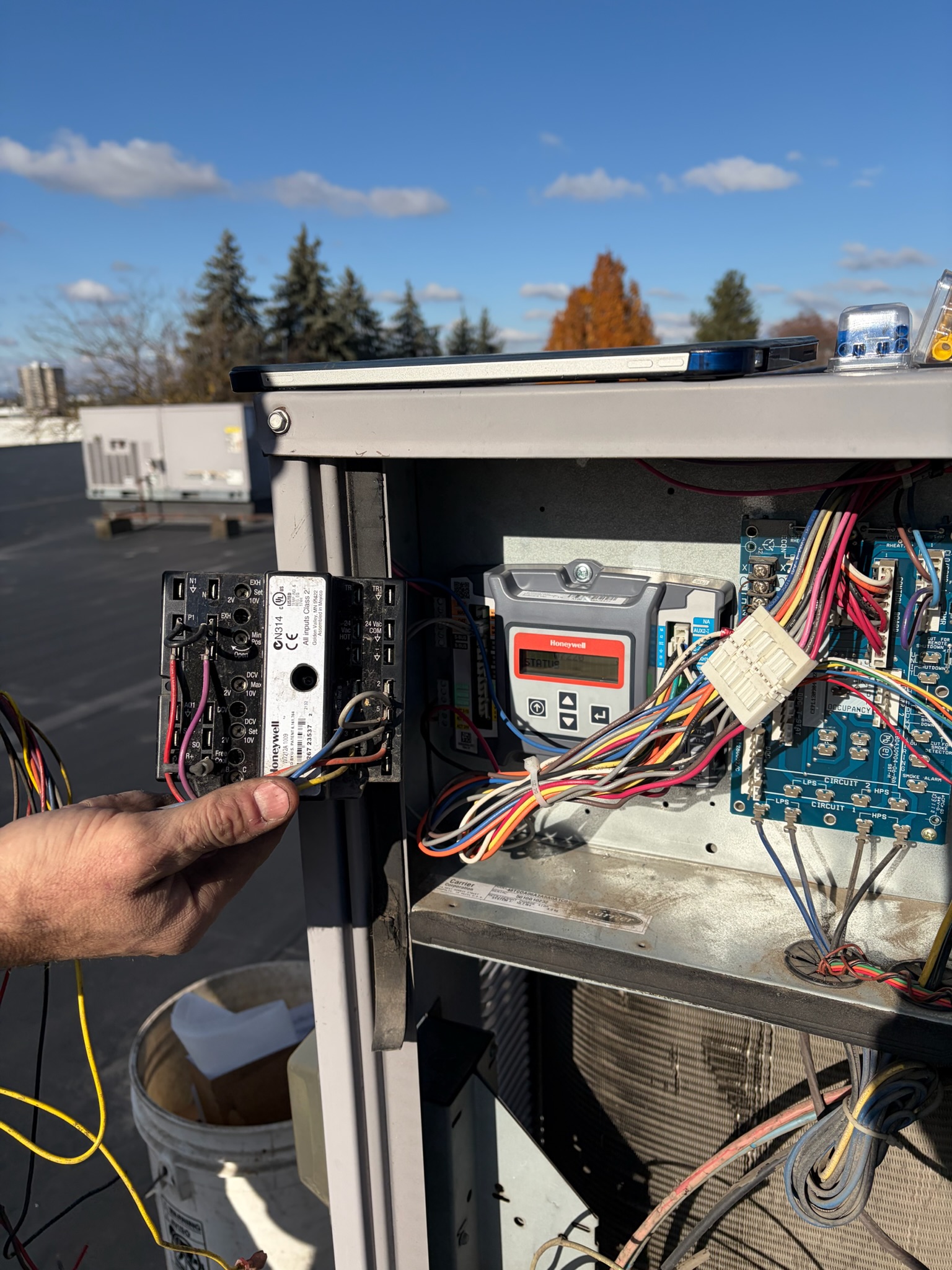
Sometimes the mechanical equipment can heat or cool properly, but it is receiving incorrect instructions from the thermostat, temperature sensors, zoning controls, or the building automation system.
Commercial HVAC control problems may result from:
- Incorrect temperature settings
- Poor thermostat placement
- Failed sensors
- Calibration problems
- Damaged wiring
- Communication failures
- Incorrect scheduling
- Programming errors
- Failed control boards
- Conflicting heating and cooling commands
A thermostat located near a sunny window, an exterior door, a kitchen, or heat-producing equipment may not accurately reflect the temperature throughout the space. Larger commercial buildings may also use multiple sensors, dampers, and control sequences. A single failed component can cause an entire zone to overheat, undercool, or operate at the wrong time.
Commercial HVAC troubleshooting should include both the physical equipment and the controls directing its operation.
7. Refrigerant Leaks and Low Refrigerant Levels
Commercial air conditioning systems and heat pumps rely on refrigerant to transfer heat. Refrigerant does not normally disappear or get used up during routine operation. When refrigerant levels are low, there is usually a leak or another problem that must be corrected.
Warning signs of a refrigerant problem may include:
- Inadequate cooling
- Frozen evaporator coils
- Hissing or bubbling sounds
- Long operating cycles
- Rising energy costs
- Ice around refrigerant lines
- Reduced system capacity
- Compressor strain
Corroded coils, damaged lines, loose fittings, equipment vibration, improper installation, or normal aging may cause refrigerant leaks. Simply adding refrigerant without finding the source of the leak may provide only temporary improvement.
A qualified Cline’s HVAC technician can locate the leak, evaluate the damaged component, and recommend an appropriate repair.
8. Frozen Evaporator Coils
Ice on an HVAC system may look like a sign that the air conditioner is working especially well, but it actually indicates a serious performance problem. The evaporator coil must receive enough warm air to absorb heat. When airflow is restricted or the refrigerant pressure is incorrect, the coil can become too cold and begin to freeze.
Possible causes include:
- Clogged filters
- Dirty evaporator coils
- Low refrigerant
- Blower motor problems
- Fan failures
- Closed dampers
- Blocked supply or return vents
- Failed temperature sensors
- Control problems
As ice accumulates, airflow becomes even more restricted, and cooling performance continues to decline. When the ice eventually melts, it may also contribute to water leaks or overflowing drain pans. A frozen commercial HVAC coil should not simply be thawed and restarted without identifying the cause. Otherwise, the problem is likely to return.
9. Dirty or Damaged HVAC Coils
Commercial HVAC systems rely on evaporator and condenser coils to transfer heat. When these coils become coated with dust, grease, pollen, dirt, or other debris, the equipment must work harder to perform the same amount of heating or cooling.
Dirty or damaged coils may be caused by:
- Deferred maintenance
- Inadequate filtration
- Outdoor debris
- Airborne grease or contaminants
- Bent coil fins
- Corrosion
- Heavy dust exposure
- Nearby construction activity
Rooftop units are particularly vulnerable because they are constantly exposed to weather, dirt, leaves, pollen, and airborne debris. Contaminated coils can reduce efficiency, increase operating pressure, extend system runtime, and contribute to compressor stress. Depending on the environment, coil inspection and cleaning may need to occur more frequently than a standard maintenance schedule suggests.
10. Electrical Failures
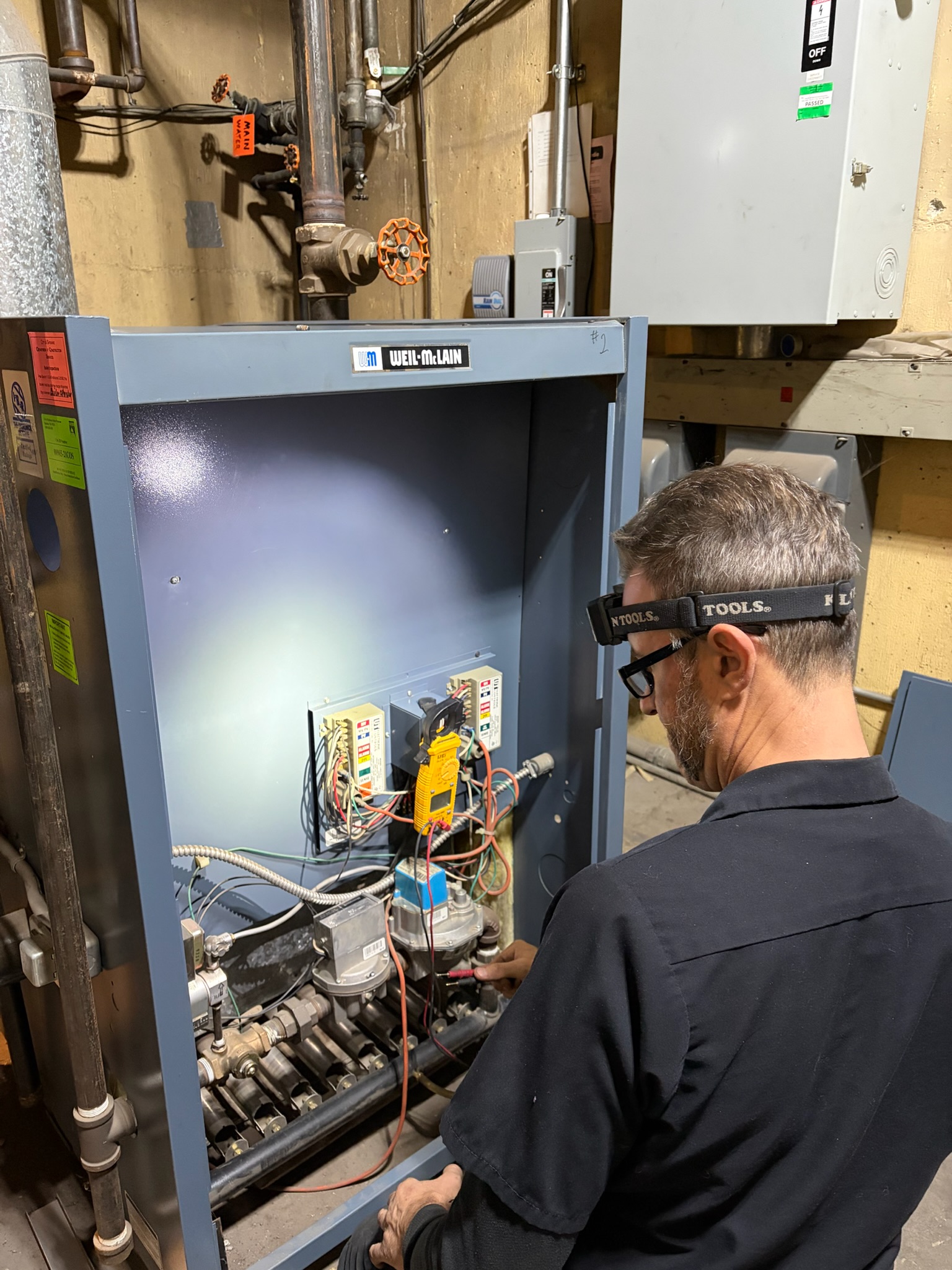
Commercial heating and cooling systems rely on numerous electrical components, including capacitors, contactors, relays, motors, wiring, disconnects, sensors, control boards, and safety switches. Electrical problems may cause the equipment to stop working, shut down unexpectedly, trip breakers, or operate intermittently.
Common causes include:
- Failed capacitors
- Worn contactors
- Loose electrical connections
- Damaged wiring
- Power surges
- Overheated motors
- Excessive cycling
- Moisture intrusion
- Improper voltage
- Aging components
Electrical issues can sometimes produce burning odors, buzzing sounds, visible damage, or repeated breaker trips. These warning signs require prompt professional attention. Repeatedly resetting a breaker without identifying the cause can pose a safety hazard and may cause additional damage to the equipment.
11. Strange Noises or Excessive Vibration
Commercial HVAC equipment naturally produces some sound during operation, but new or unusually loud noises may indicate a developing mechanical problem.
Different sounds can suggest different issues:
- Banging may indicate a loose or damaged component
- Rattling may come from panels, hardware, ductwork, or debris
- Squealing may signal belt or bearing problems
- Grinding may indicate motor or bearing damage
- Buzzing may point to an electrical issue
- Clicking may be related to controls, relays, or ignition components
- Hissing may indicate an air or refrigerant leak
An unbalanced fan may cause excessive vibration, loose mounting hardware, worn bearings, damaged motor components, compressor issues, or structural problems around the unit. A qualified HVAC technician should inspect unusual sounds before the affected part fails and damages nearby components.
12. Water Leaks and Condensate Drainage Problems
Commercial cooling systems remove moisture from indoor air. That condensation must be collected and safely drained away from the equipment. When the drainage system becomes blocked or damaged, water may collect around the unit, leak through ceilings, damage building materials, or create slippery surfaces.
Possible causes include:
- Clogged condensate drains
- Damaged drain pans
- Incorrect drain slope
- Failed condensate pumps
- Frozen coils that are thawing
- Cracked drain piping
- Damaged insulation
- Excess indoor humidity
Standing water and damp HVAC components may also contribute to corrosion, odors, and microbial growth. Because the visible leak may be located some distance from the actual source, professional inspection is often needed to trace the water back to the HVAC system.
13. Poor Indoor Air Quality
Commercial HVAC systems do more than control temperature. They also support ventilation, filtration, humidity control, and indoor air circulation.
When these functions are not working correctly, occupants may notice:
- Excessive dust
- Stale or stuffy air
- Unpleasant odors
- High indoor humidity
- Dry indoor conditions
- Uneven ventilation
- Increased airborne contaminants
- Frequent comfort complaints
Potential causes can include:
- Dirty filters
- Contaminated coils or drain pans
- Insufficient outdoor air
- Poor exhaust ventilation
- Dirty ductwork
- Building pressure problems
- Inadequate filtration
- Malfunctioning ventilation equipment
- Deferred HVAC maintenance
Indoor air quality is particularly important in medical offices, daycare facilities, retirement communities, restaurants, schools, and other buildings where health, cleanliness, and occupant comfort are major priorities. A professional indoor air quality evaluation may involve inspecting filters, ventilation rates, humidity, airflow, exhaust systems, duct conditions, and the cleanliness of internal HVAC components.
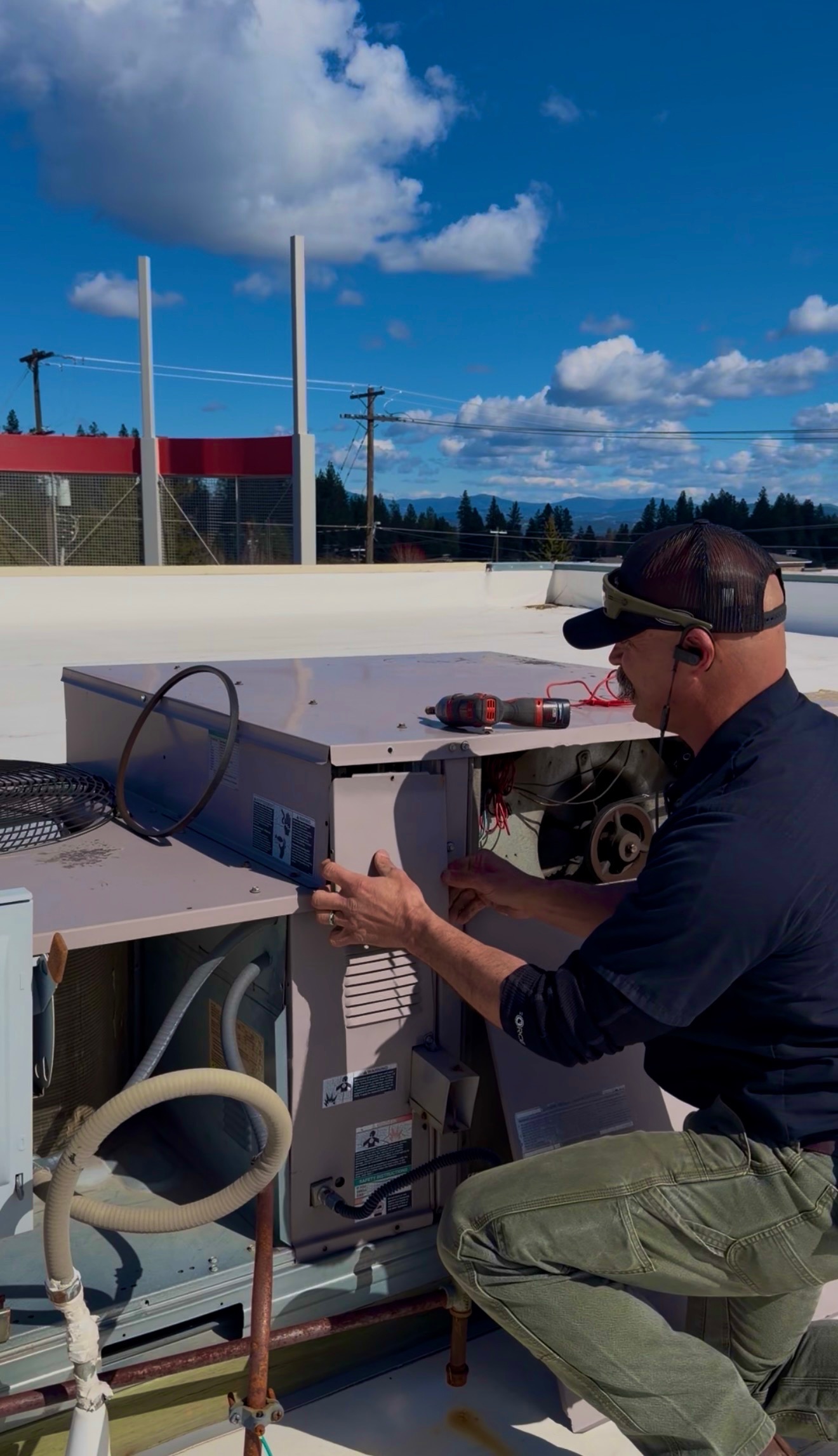
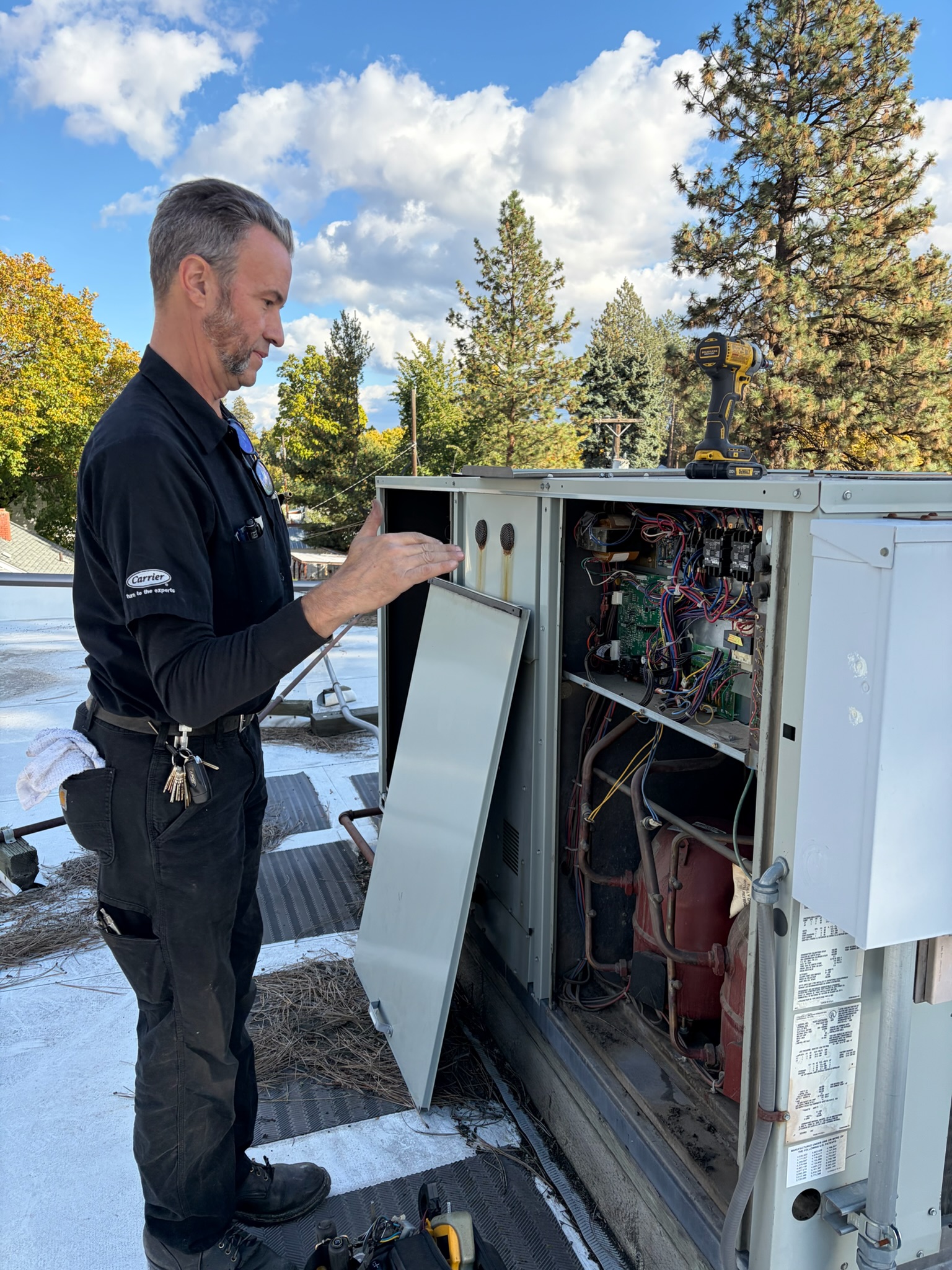
14. Commercial Rooftop Unit Problems
Packaged rooftop units are widely used in offices, retail buildings, restaurants, banks, medical facilities, and other commercial properties. These systems combine several heating and cooling components into one outdoor cabinet. Because they are installed on the roof, they are constantly exposed to sun, wind, rain, snow, temperature changes, and airborne debris.
Common commercial rooftop HVAC problems include:
- Dirty condenser coils
- Refrigerant leaks
- Damaged panels or seals
- Worn belts
- Fan or motor failure
- Electrical component problems
- Clogged condensate drains
- Economizer malfunctions
- Failed sensors
- Control problems
- Weather-related deterioration
Rooftop units can also be easy to overlook because they are not visible from inside the building. Regular inspections help identify damaged panels, loose wiring, debris buildup, drainage problems, and mechanical wear before the unit stops operating.
15. Aging or Improperly Sized Equipment
Some recurring commercial HVAC system issues are not caused by one failed component. Instead, the equipment may be aging, inefficient, improperly sized, or no longer suitable for the building.
A system that worked adequately years ago may struggle after:
- A building addition
- Interior renovations
- Increased occupancy
- Longer business hours
- Installation of new equipment
- Changes in room use
- Expanded server or technology needs
- Changes to ventilation requirements
Equipment that is too small may run continuously and still fail to maintain comfort. Equipment that is too large may short-cycle, create temperature swings, and provide inadequate humidity control. Older systems may also require frequent repairs, consume more energy, and rely on components that are becoming difficult to obtain.
A Cline’s commercial HVAC evaluation can help determine whether repair, retrofitting, control upgrades, air balancing, or full equipment replacement offers the best long-term value.
Why Lack of Maintenance Causes So Many Commercial HVAC Problems
Many commercial HVAC failures begin with minor conditions that could have been identified during routine maintenance. A slightly loose electrical connection, a worn belt, a dirty coil, a clogged drain, or a weak capacitor may not cause immediate failure. However, as the equipment continues to operate, the problem can place additional strain on connected components.
Professional commercial HVAC maintenance may include:
- Inspecting and replacing filters
- Cleaning and evaluating coils
- Checking belts, bearings, and motors
- Testing electrical components
- Inspecting refrigerant lines and pressures
- Clearing condensate drains
- Testing thermostats and controls
- Measuring airflow
- Checking safety controls
- Documenting system performance
Preventive maintenance cannot eliminate every possible breakdown, but it can improve reliability and help identify developing problems before they interrupt business operations. Maintenance records are also valuable for tracking repeat repairs, equipment performance, energy use, and the overall condition of the commercial HVAC system.
Warning Signs That Require Professional Commercial HVAC Service
Some commercial HVAC issues require prompt attention to protect the equipment, the building, and the occupants.
Contact a qualified commercial HVAC contractor when:
- The system will not start
- The equipment repeatedly trips a breaker
- Burning or electrical odors are present
- Water or refrigerant appears to be leaking
- Ice forms on the equipment or refrigerant lines
- The building cannot maintain a reasonable temperature
- Loud banging, grinding, or squealing sounds occur
- Multiple zones lose heating or cooling
- The system repeatedly shuts down
- Energy costs rise without a clear explanation
Building owners and employees should not attempt to open electrical panels, handle refrigerant, bypass safety controls, or continue operating equipment that shows signs of a serious electrical or mechanical failure.
Commercial HVAC Repair, Retrofit, or Replacement
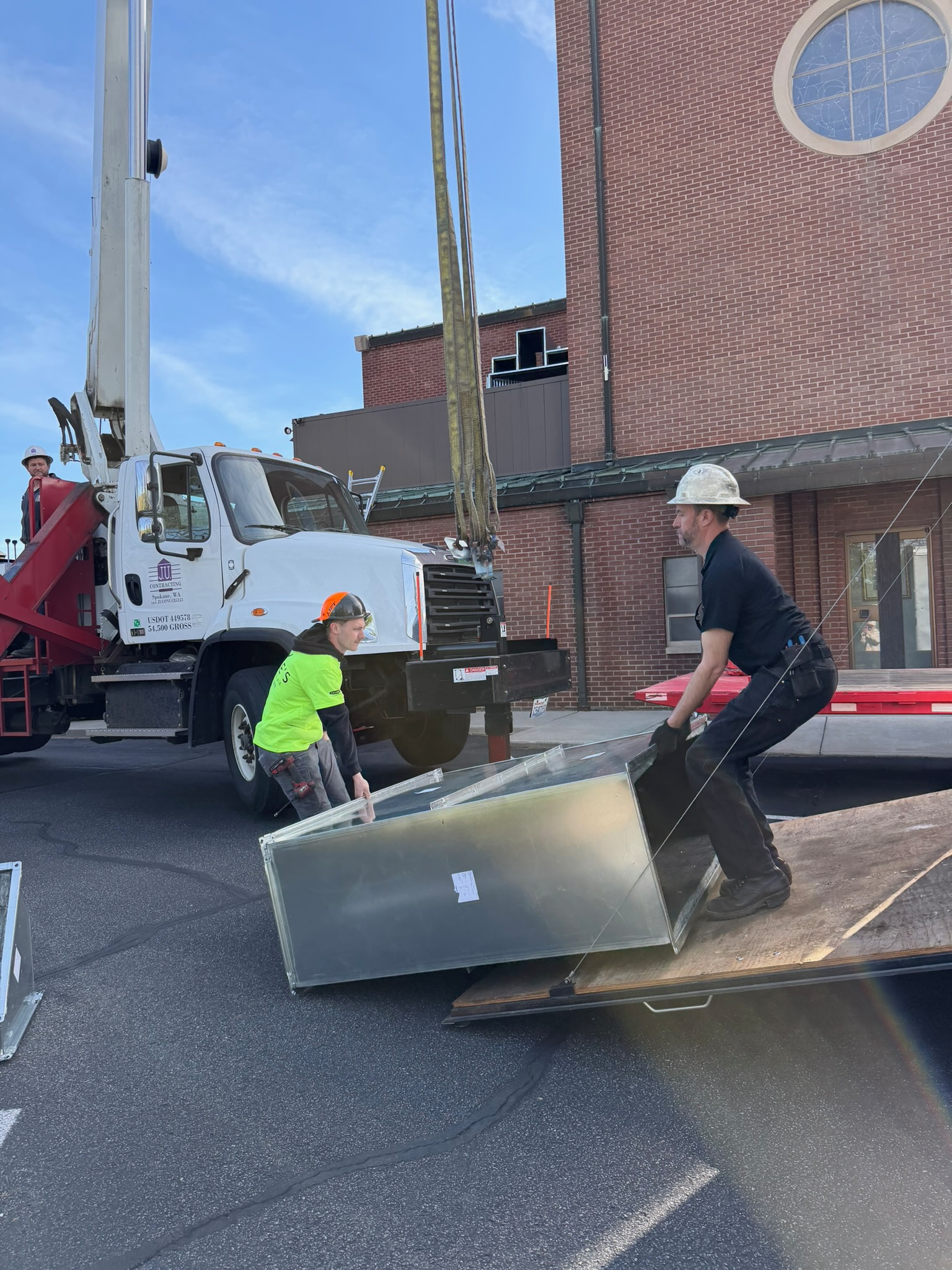
Not every commercial HVAC problem requires replacing the entire system. In many cases, a targeted repair can restore safe and reliable operation. However, replacement or retrofitting may make more sense when equipment has become unreliable, inefficient, or unable to meet the building’s current needs.
A commercial HVAC technician should consider:
- Equipment age
- Overall mechanical condition
- Maintenance history
- Frequency of repairs
- Cost of replacement parts
- Energy performance
- Comfort complaints
- System capacity
- Availability of parts
- Business plans for the building
- Cost of continued downtime
Control upgrades, zoning improvements, air balancing, motor replacements, and other retrofits may also improve performance without requiring complete system replacement. The best recommendation should be based on the equipment’s condition, the business’s operational needs, and the long-term cost of ownership.
Why Spokane Businesses Trust Cline’s Heating and Air
Cline’s Heating and Air has served Spokane and Northern Idaho since 1988. Our commercial HVAC team works with a wide range of mechanical systems and understands the importance of keeping commercial buildings comfortable, efficient, and operational.
We provide commercial HVAC repair, maintenance, installation, replacement, and retrofit services for offices, restaurants, banks, medical facilities, retirement communities, churches, retail businesses, server rooms, government buildings, and other commercial properties.
As a Factory-Authorized Carrier Dealer, Cline’s Heating and Air has access to high-quality commercial heating and cooling equipment, ongoing technical training, and manufacturer resources. However, our commercial technicians service a wide range of equipment types and brands.
Our repair-first approach begins with identifying the actual cause of the problem. We take the time to evaluate system performance, explain our findings, and recommend a solution based on the equipment’s condition and the property’s needs.
Schedule Commercial HVAC Service With Cline’s Heating and Air
Restricted airflow, dirty components, refrigerant leaks, control failures, electrical wear, drainage issues, aging equipment, or changes within the building can cause commercial HVAC problems. The sooner the cause is identified, the better the opportunity to prevent added equipment damage, increased energy costs, and unexpected business interruptions.
Whether your building has uneven temperatures, weak airflow, unusual noises, rising utility bills, poor indoor air quality, or a complete system failure, Cline’s Heating and Air is ready to help. Contact Cline’s Heating and Air to schedule commercial HVAC troubleshooting, repair, maintenance, retrofitting, or equipment replacement in Spokane and Northern Idaho.
Frequently Asked Questions About Commercial HVAC Problems
What are the most common commercial HVAC problems?
Some of the most common commercial HVAC problems include weak airflow, uneven temperatures, rising energy bills, refrigerant leaks, frozen coils, thermostat malfunctions, electrical failures, drainage problems, unusual noises, and equipment that runs continuously or short cycles.
Why is my commercial HVAC system running but not cooling?
A commercial HVAC system may run without cooling properly due to dirty filters, restricted airflow, dirty coils, low refrigerant levels, compressor problems, failing fans, thermostat issues, or equipment that is no longer properly sized for the building.
What causes uneven temperatures in a commercial building?
Uneven temperatures may be caused by blocked vents, damaged ductwork, poor air balancing, malfunctioning dampers, failed sensors, improper zoning, thermostat placement, or changes in how the building is occupied or used.
Why are my commercial HVAC energy bills increasing?
Higher HVAC energy costs may result from dirty filters or coils, duct leakage, aging equipment, incorrect thermostat schedules, control problems, worn mechanical components, refrigerant issues, or a lack of routine maintenance.
What causes a commercial HVAC system to short-cycle?
Short cycling can be caused by dirty filters, frozen coils, thermostat or sensor problems, low refrigerant, electrical control failures, oversized equipment, compressor issues, or excessive heating and cooling demand.
Why is there ice on my commercial HVAC system?
Ice usually forms because the evaporator coil is not receiving enough warm airflow or because refrigerant pressure is too low. Common causes include clogged filters, dirty coils, blower problems, closed dampers, blocked vents, or refrigerant leaks.
Are commercial HVAC refrigerant leaks serious?
Yes. Low refrigerant can reduce cooling capacity, increase energy use, cause frozen coils, and place added strain on the compressor. Refrigerant leaks should be located and repaired by a qualified commercial HVAC technician.
Why is my commercial HVAC unit leaking water?
Water leaks may be caused by a clogged condensate drain, damaged drain pan, failed condensate pump, cracked drain piping, poor insulation, excessive humidity, or a frozen coil that is beginning to thaw.
How often should commercial HVAC systems be maintained?
Most commercial HVAC systems should be inspected and maintained at least twice a year, typically before the main heating and cooling seasons. Equipment that operates continuously or serves demanding environments may require more frequent service.
When should commercial HVAC equipment be replaced?
Replacement may be worth considering when the equipment is aging, requires frequent repairs, consumes excessive energy, cannot maintain comfortable temperatures, relies on hard-to-find parts, or no longer meets the building’s needs.
Can preventive maintenance reduce commercial HVAC breakdowns?
Preventive maintenance cannot prevent every failure, but it can help technicians identify worn parts, dirty components, airflow restrictions, electrical problems, and drainage issues before they cause a larger breakdown.
Who provides commercial HVAC repair in Spokane and Northern Idaho?
Cline’s Heating and Air provides commercial HVAC troubleshooting, repair, maintenance, retrofitting, installation, and replacement services for businesses throughout Spokane and Northern Idaho.