

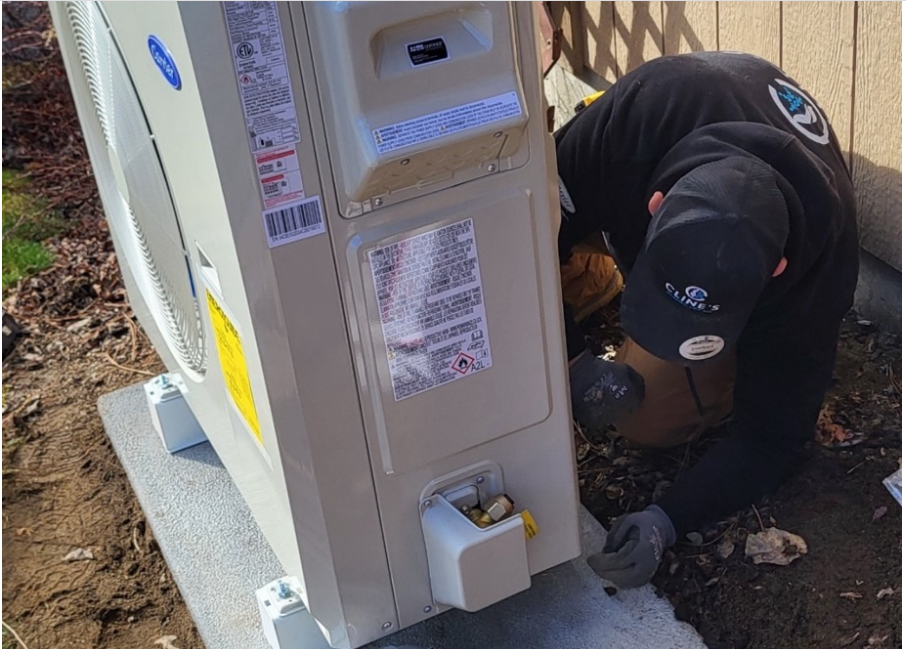
Choosing a new cooling system is a significant decision for any homeowner. In Spokane and Northern Idaho, however, the choice involves more than finding a system that can handle a few hot summer afternoons. Homes throughout the Inland Northwest experience hot, dry summers, freezing winter temperatures, snow, and substantial seasonal temperature changes.
A system that performs well in July must also fit into the home’s overall heating plan for January. That leads many homeowners to compare two popular options: a traditional central air conditioner and an air-source heat pump.
Both systems can provide dependable summer cooling. The primary difference is that an air conditioner only cools the home, while a heat pump can provide both cooling and heating. Modern cold-climate heat pumps have also become much more capable of operating during freezing weather than earlier generations of equipment.
Still, that doesn’t automatically make a heat pump the best choice for every property. Your existing furnace, utility costs, insulation, ductwork, comfort expectations, budget, and long-term plans all influence which system makes the most sense. Understanding the differences can help you make a more informed decision before replacing your HVAC equipment.
What’s the Difference Between a Heat Pump and an Air Conditioner?
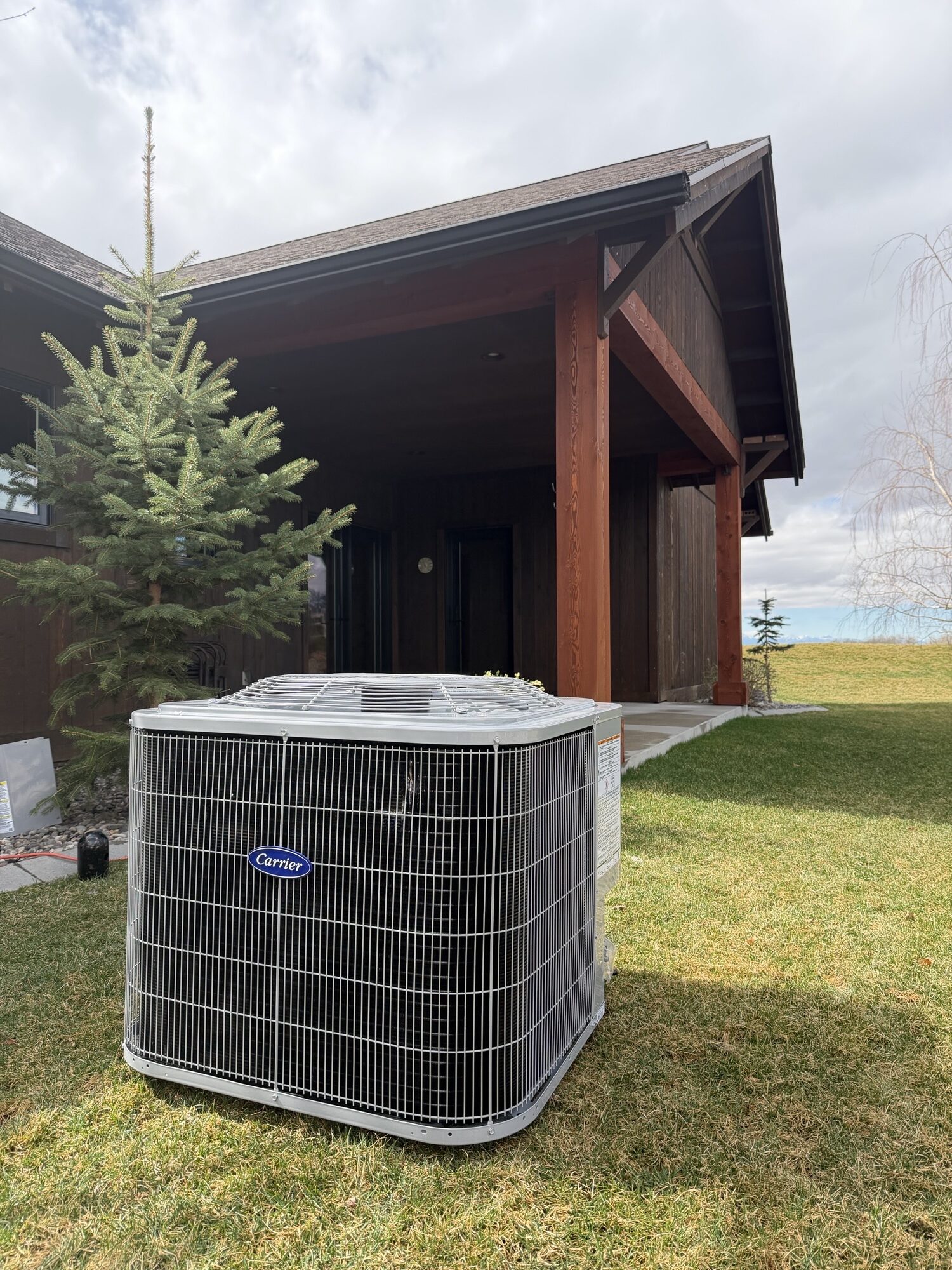
A central air conditioner and an air-source heat pump look similar and operate almost identically during the cooling season. Both systems use refrigerant to absorb heat from inside the home and release it outdoors. As indoor heat is removed, cooled air is distributed through the home’s ductwork.
The major difference is that a heat pump includes a reversing valve that allows the refrigeration cycle to operate in the opposite direction. During winter, a heat pump extracts heat from outdoor air and transfers it indoors. Even when the air feels cold, it still contains heat energy that the system can capture.
A traditional air conditioner cannot reverse its operation. It must be paired with a separate heating source, which is typically a natural gas, propane, or electric furnace or a boiler.
In simple terms:
- Air conditioner: Provides cooling only.
- Heat pump: Provides both cooling and heating.
This distinction is central to the decision. Homeowners are not only comparing two cooling systems. They are deciding whether to have their outdoor HVAC unit contribute to winter heating.
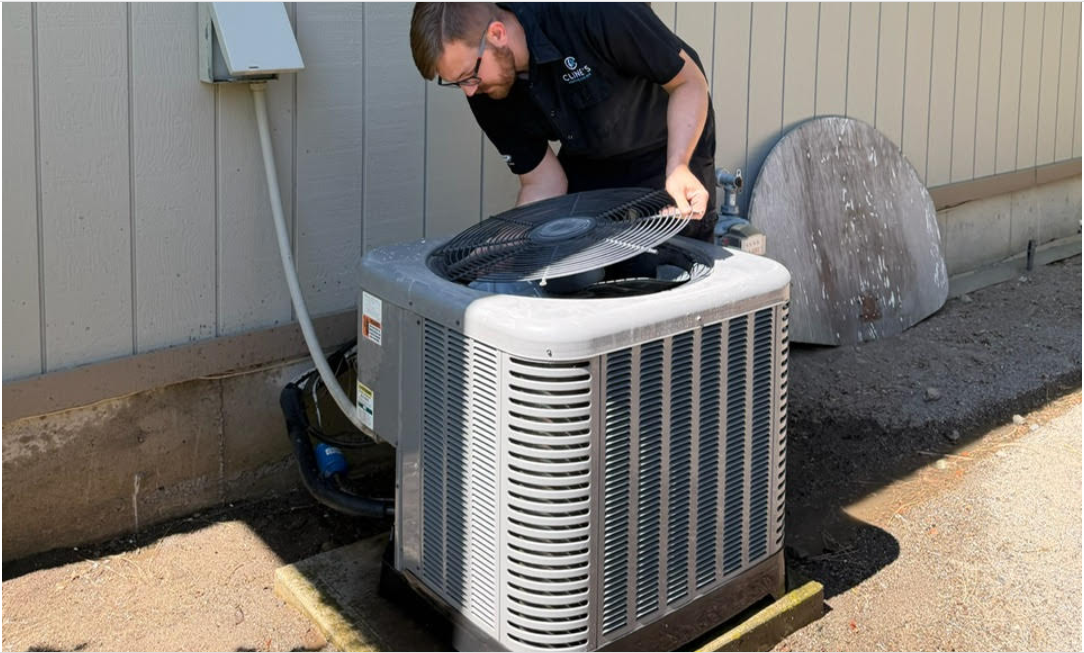
How an Air Conditioner Works in Spokane and Northern Idaho
A central air conditioner is a familiar and dependable option throughout the Inland Northwest. The outdoor condenser works with an indoor evaporator coil and the home’s furnace or air handler. The system removes heat and humidity from indoor air, then distributes cooled air through the duct system. Because an air conditioner does not heat the home, it is typically paired with a furnace.
During the summer, the furnace blower circulates cooled air. When winter arrives, the furnace takes over and produces heat. This arrangement can be particularly practical when a home already has a relatively new, efficient furnace. In that situation, replacing an aging air conditioner with another central AC system may provide the needed cooling upgrade without changing the home’s existing heating strategy.
A properly selected air conditioner can offer:
- Reliable summer cooling
- Straightforward operation
- Compatibility with an existing furnace
- A potentially lower initial equipment cost than a comparable heat pump
- A familiar service and maintenance process
Air conditioning systems are available in several efficiency levels. The system’s SEER2 rating commonly represents cooling efficiency. In general, a higher SEER2 rating indicates that the equipment can deliver more seasonal cooling per unit of electricity consumed.
However, the rating alone does not determine actual performance. Proper sizing, installation quality, airflow, duct condition, insulation, and maintenance all affect how efficiently an air conditioner operates in the home.
How a Heat Pump Works in the Inland Northwest
During the summer, a heat pump operates much like a central air conditioner. It removes heat from the indoor air and transfers it outdoors. During colder weather, the system reverses direction. Instead of generating heat through combustion, it moves heat from outside the home to the inside.
Because a heat pump transfers heat rather than generating it through electric resistance, it can deliver highly efficient heating during mild and moderately cold weather. This can be especially useful during the Inland Northwest’s spring and fall shoulder seasons. On cool mornings and evenings, the heat pump may provide comfortable heating without the furnace operating.
Depending on the equipment and system design, a heat pump can be installed in several configurations:
- Heat pump with an electric air handler
- Heat pump paired with a gas furnace
- Heat pump paired with a propane furnace
- Ductless mini-split or multi-zone system
- Cold-climate heat pump designed for low-temperature operation
The correct configuration depends heavily on the home. At Cline’s Heating and Air, our technicians evaluate factors such as the existing HVAC system, insulation, ductwork, electrical capacity, fuel availability, home layout, and expected heating load before recommending a particular type of heat pump.
Can a Heat Pump Handle Spokane and Northern Idaho Winters?
This is usually the biggest concern for local homeowners. Older heat pumps often lost substantial heating capacity as outdoor temperatures dropped. This created the impression that heat pumps were only suitable for warmer or more moderate climates.
However, modern equipment has changed that conversation. Cold-climate heat pumps use advanced compressors, variable-speed technology, improved refrigerants, and controls designed to maintain stronger heating performance at low outdoor temperatures.
ENERGY STAR cold-climate models must meet specific low-ambient performance standards, including efficiency requirements measured at 5 degrees Fahrenheit. Some cold-climate heat pumps can continue operating below 5 degrees Fahrenheit. However, ENERGY STAR notes that pairing the system with a backup heat source may provide the most efficient and reliable heating when temperatures fall even lower.
That distinction is important in Spokane, Spokane Valley, Coeur d’Alene, Post Falls, and surrounding communities. A heat pump may continue producing heat during very cold weather, but its available capacity and efficiency will generally decline as outdoor temperatures drop.
The question is not simply, “Will the heat pump run?”
The better questions are:
- Can it meet the home’s full heating load at the expected winter design temperature?
- How much heating capacity does the system retain in extreme cold?
- When will backup heat be needed?
- What type of backup heating system will be used?
- How will the controls transition between the heat pump and backup heat?
A professional heating-load calculation and equipment performance review are essential. The heat pump must be selected based on its low-temperature capacity, not just its advertised size or performance at milder outdoor temperatures.
What Is a Dual-Fuel Heat Pump System?
A dual-fuel system pairs an electric heat pump with a gas or propane furnace. During mild and moderately cold weather, the heat pump provides efficient heating. When outdoor temperatures drop below a predetermined balance point, the system switches to the furnace. This configuration can offer an appealing middle ground for Inland Northwest homeowners.
You receive year-round efficiency and cooling from a heat pump while retaining the strong cold-weather heating performance of a furnace.
A dual-fuel system may be a particularly good option when:
- The home already has a usable gas furnace
- The homeowner wants to reduce furnace runtime
- Winter temperatures regularly fall below freezing
- Natural gas or propane is available
- The homeowner wants more flexibility between electricity and fuel
- Strong backup heat is a priority
The ideal changeover temperature varies from home to home. It can depend on the heat pump’s performance, furnace efficiency, energy prices, indoor comfort preferences, and the building’s heating load. Professional setup matters. The heat pump and furnace should not compete with one another or switch inefficiently between operating modes. The thermostat and system controls must be configured to determine when each heat source should operate.
Cooling Performance: Heat Pump vs. Air Conditioner
When comparing similarly sized and similarly rated systems, homeowners may notice little difference between a heat pump and an air conditioner during the summer.
Both can provide:
- Whole-home cooling
- Temperature control
- Humidity removal
- Compatibility with variable-speed blowers
- Zoning and smart thermostat options
- High-efficiency operation
The quality of the installation often matters more than whether the outdoor unit is labeled as an air conditioner or a heat pump. A system that is too large may cool the home quickly, but cycle off before operating long enough to maintain consistent comfort. An undersized system may run continuously and still struggle during extreme heat. Restricted ductwork, dirty coils, low refrigerant charge, poor insulation, and insufficient return airflow can also limit performance.
Before recommending either system, an experienced HVAC contractor should evaluate more than the home’s square footage. At Cline’s Heating and Air, we consider window exposure, ceiling height, insulation, air leakage, duct condition, occupancy, and local temperature conditions.
Comparing Energy Efficiency
During cooling, the efficiency of an air conditioner and a heat pump is measured similarly. Higher-efficiency equipment generally uses less electricity to provide the same amount of cooling, although installation and operating conditions still influence actual results. The heating side of the comparison is more complex. A central air conditioner does not provide heat, so its winter efficiency depends entirely on the furnace or other heating equipment paired with it.
A heat pump can provide efficient electric heating because it moves heat rather than generating it through combustion or standard electric resistance heating. Its heating performance is represented through ratings such as HSPF2 and the coefficient of performance. The advantage of a heat pump is often greatest during moderate outdoor temperatures.
As the weather becomes colder, the unit must work harder, and its heating capacity and efficiency may decline. Cold-climate models are specifically designed to reduce that decline. The U.S. Department of Energy reports that newer cold-climate technology can maintain greater capacity and efficiency at temperatures below freezing than conventional heat pumps.
Your actual savings will depend on what the heat pump is replacing. Replacing electric baseboard heating, electric resistance heat, oil, or an inefficient propane system may produce a very different financial result than replacing a high-efficiency natural gas furnace. That is why broad claims that a heat pump will always lower utility bills should be treated cautiously.
The comparison should use the home’s actual energy sources, utility rates, equipment efficiency, and heating needs.
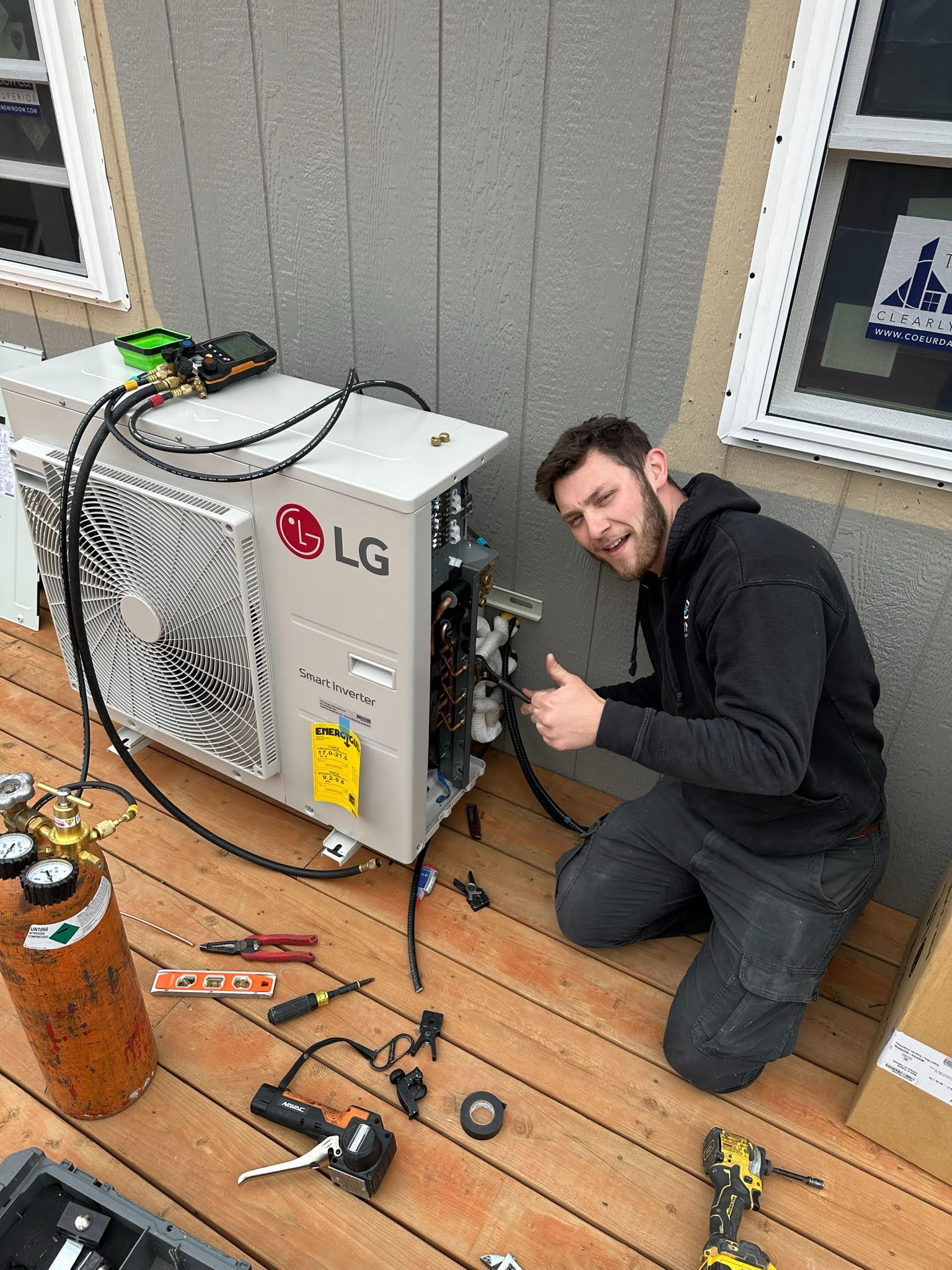
Heat Pump vs. Air Conditioner Installation Costs
A heat pump will often cost more upfront than a comparable air conditioner because it includes additional components and controls required for heating operation. However, the complete project cost depends on much more than the outdoor equipment.
Important cost factors include
- The size and efficiency of the system
- Single-stage, two-stage, or variable-speed operation
- Cold-climate capability
- The condition of the existing furnace or air handler
- Required electrical upgrades
- Thermostat and control requirements
- Ductwork modifications
- Refrigerant-line replacement
- Indoor coil compatibility
- Installation complexity
- Permits and code requirements
- Whether backup heat is included
An air conditioner may be the less expensive project when the home has a newer furnace that will remain in service. A heat pump may offer greater overall value when both the heating and cooling systems are due for replacement, particularly if it can reduce the need for a separate heating appliance or substantially reduce reliance on a more expensive heating source.
National price ranges can be useful for rough research, but they are not dependable estimates for an individual home. Even homes of similar size may require different equipment, duct modifications, electrical work, or installation labor. A detailed in-home assessment from Cline’s Heating and Air can identify the full scope of the project and allow homeowners to compare realistic options rather than relying on generalized online averages.
Which System Has Lower Operating Costs?
There is no universal winner because operating costs are affected by several variables:
- Local electricity rates
- Natural gas or propane prices
- Outdoor temperatures
- Thermostat settings
- Home insulation and air leakage
- System efficiency
- Equipment sizing
- The type of backup heat
- Maintenance condition
During summer, two comparably efficient systems should have relatively similar cooling expenses. The larger difference appears during the heating season. A heat pump may reduce heating costs when replacing electric resistance heat, oil, or certain propane systems. The savings compared with a high-efficiency natural gas furnace may be smaller and can vary as energy prices change.
Dual-fuel systems provide additional flexibility because the controls can use the heat pump when it is most efficient and transition to the furnace when colder temperatures or higher energy costs make the furnace more practical.
Homeowners should also think beyond one month’s utility bill. Repair frequency, expected equipment life, warranty coverage, maintenance needs, and future replacement costs all influence the system’s long-term value.
Comfort Differences Between a Heat Pump and a Furnace
Heat pumps and furnaces can feel different during heating operation. A gas furnace typically delivers warmer air in shorter, more noticeable heating cycles. A heat pump usually supplies moderately warm air for longer periods.
The air from a heat pump may not feel as hot at the register, but that does not necessarily mean the system is failing. Longer, steadier operation can maintain consistent indoor temperatures and reduce noticeable temperature swings. Variable-speed heat pumps can further improve comfort by adjusting their output rather than operating only at full capacity.
During mild weather, the system may run at a lower speed for longer cycles, resulting in quieter operation and more even temperatures. Some homeowners prefer the strong, immediate warmth of a furnace. Others prefer the steady operation of a heat pump.
In a dual-fuel system, the homeowner can receive both experiences: consistent heat-pump operation during moderate weather and higher-temperature furnace heat during the coldest conditions.
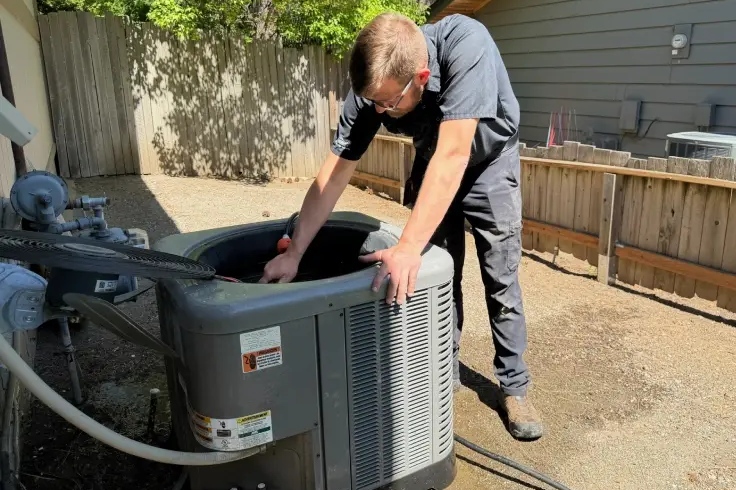
When an Air Conditioner May Be the Better Choice
A central air conditioner may be the best option when:
- The home already has a newer, more efficient furnace
- The homeowner is satisfied with the existing heating system
- The primary need is dependable summer cooling
- The initial budget is the main consideration
- Electrical service would require substantial upgrades for a heat pump
- Natural gas heating remains the homeowner’s preference
- The property has unusually high winter heating demands
Choosing an air conditioner is not necessarily choosing outdated technology. Modern central AC systems can provide excellent efficiency, quiet operation, variable-speed comfort, and smart controls. For homeowners who do not need or want to change their heating strategy, an efficient air conditioner paired with a dependable furnace can remain a practical solution.
When a Heat Pump May Be the Better Choice
A heat pump may be the stronger option when:
- Both the heating and cooling equipment need replacement
- The homeowner wants one system to provide heating and cooling
- The home currently relies on electric resistance, oil, or costly propane heat
- Reducing fossil-fuel use is a priority
- The homeowner wants efficient heating during spring and fall
- The property does not have access to natural gas
- A dual-fuel system is being considered
- The home needs a ductless heating and cooling solution
- The equipment is specifically designed for cold-climate performance
Heat pumps can also be useful for additions, finished basements, workshops, bonus rooms, and older homes without suitable ductwork. In these situations, a ductless mini-split may provide targeted heating and cooling without extending an existing central duct system.
The Importance of Proper HVAC Sizing
The best equipment can still perform poorly if it is not properly sized and installed. Oversized HVAC systems may short-cycle, create temperature swings, operate less efficiently, and experience unnecessary wear. Undersized systems may run continuously and struggle to maintain comfort during extreme temperatures.
Heat-pump sizing requires particular care in cold climates. The contractor must consider both the cooling load and the winter heating load, as well as the heating capacity retained by the selected equipment, as outdoor temperatures fall. The largest available system is not automatically the safest choice. Oversizing can create its own comfort and reliability problems.
A complete system evaluation may include:
- Heating and cooling load calculations
- Low-temperature performance data
- Insulation and air-leakage conditions
- Window size and orientation
- Duct sizing and airflow
- Available electrical capacity
- Existing furnace compatibility
- Backup heat requirements
- Thermostat and control strategy
Cline’s Heating and Air uses the home’s actual requirements to help determine whether a traditional air conditioner, standard heat pump, cold-climate heat pump, or dual-fuel system is the most appropriate option.
Maintenance Requirements for Heat Pumps and Air Conditioners
Both heat pumps and air conditioners need routine professional maintenance.
Common maintenance items include:
- Inspecting and cleaning the outdoor coil
- Checking refrigerant performance
- Testing capacitors and electrical components
- Inspecting the indoor coil
- Cleaning the condensate drain
- Testing thermostat operation
- Checking blower performance
- Measuring airflow
- Inspecting filters
- Verifying system temperatures and pressures
An air conditioner operates primarily during the cooling season. A heat pump may operate throughout most of the year because it provides both heating and cooling. That additional runtime makes regular heat-pump maintenance especially important. Homeowners should typically schedule cooling-system service before summer and heating-system service before winter, depending on the system configuration and manufacturer recommendations.
Cline’s Club provides a convenient way to keep HVAC maintenance on schedule. Membership benefits include seasonal tune-ups, priority scheduling, repair savings, reduced diagnostic costs, and additional protection for the home comfort system.
The program is designed to help identify developing problems early, support efficient operation, and reduce the likelihood of unexpected breakdowns during peak heating and cooling seasons
Questions to Ask Before Choosing a System
Before deciding between a heat pump and an air conditioner, ask the HVAC contractor:
- What is the calculated heating and cooling load for my home?
- How much capacity does this heat pump retain at low temperatures?
- Is the model recognized as a cold-climate heat pump?
- Will I need backup or supplemental heat?
- What is the recommended balance point?
- Can the heat pump work with my existing furnace?
- Does my electrical panel have sufficient capacity?
- Will any duct modifications be necessary?
- What efficiency ratings should I compare?
- What maintenance will the system require?
- What warranties are included?
- What are the estimated operating costs based on my current fuel source?
The contractor should be able to explain why a particular system is being recommended and how it is expected to perform during both summer heat and winter cold.
Heat Pump vs. Air Conditioner: Which Is Best for Your Home?
For Spokane and Northern Idaho homeowners, neither system is automatically better in every situation. A central air conditioner may be the most sensible choice when the home already has an efficient furnace and only needs improved summer cooling.
A heat pump may offer greater year-round value when the homeowner wants efficient heating and cooling from one system, is replacing both pieces of equipment, or wants to reduce reliance on a more expensive heating source. A cold-climate heat pump or dual-fuel system may provide the most balanced solution for homeowners who want heat-pump efficiency without sacrificing strong backup heat during extreme cold.
The right answer depends on the property, not simply the equipment label.
Trust Cline’s Heating and Air for Honest HVAC Guidance
Choosing between a heat pump and an air conditioner requires more than comparing equipment brochures. Your home’s heating load, ductwork, insulation, electrical system, existing furnace, energy sources, and comfort preferences all need to be considered. Cline’s Heating and Air has served homeowners throughout Spokane and Northern Idaho since 1988.
As a Carrier Factory Authorized Dealer, the team can help homeowners compare central air conditioners, traditional heat pumps, cold-climate systems, and dual-fuel options based on the property’s needs. Whether you are replacing an aging air conditioner, considering a heat pump, or planning a complete heating and cooling upgrade, we can evaluate your existing system and provide clear recommendations without pushing you toward equipment that does not fit your home.
Contact Cline’s Heating and Air to schedule an HVAC consultation and find the right system for dependable summer cooling, efficient heating, and year-round comfort throughout the Inland Northwest.
Frequently Asked Questions About Heat Pumps and Air Conditioners
Is a heat pump better than an air conditioner in Spokane?
A heat pump may be the better choice for Spokane homeowners who want one system to provide both heating and cooling. It can also be especially beneficial for homes replacing electric resistance, oil, or expensive propane heating. However, a traditional air conditioner may remain the more practical option when the home already has a newer, efficient furnace and only needs improved summer cooling.
Do heat pumps work during cold Spokane and Northern Idaho winters?
Modern cold-climate heat pumps can continue operating during freezing and below-freezing weather. However, their heating capacity and efficiency generally decline as outdoor temperatures fall. Many Inland Northwest homes benefit from supplemental electric heat or a dual-fuel system that pairs the heat pump with a gas or propane furnace.
What is a dual-fuel heat pump system?
A dual-fuel system combines an electric heat pump with a gas or propane furnace. The heat pump handles heating during mild and moderately cold weather, while the furnace takes over when temperatures fall below a predetermined point. This arrangement can provide efficient year-round operation with dependable backup heat during extreme winter conditions.
Is a heat pump more expensive than a central air conditioner?
A heat pump often costs more upfront than a comparable air conditioner because it includes the components and controls needed for both heating and cooling. The final cost depends on the system size, efficiency, cold-climate capability, ductwork, electrical requirements, backup heat, and installation complexity.
Will a heat pump lower my energy bills?
A heat pump may lower heating costs, but the potential savings depend on what it replaces. Homeowners switching from electric resistance, oil, or certain propane systems may see more significant savings than homeowners replacing a high-efficiency natural gas furnace. Local utility rates, insulation, thermostat settings, and outdoor temperatures also affect operating costs.
Can I install a heat pump with my existing furnace?
In many cases, yes. A compatible heat pump can be paired with an existing gas or propane furnace to create a dual-fuel system. The furnace, indoor coil, thermostat, controls, ductwork, and electrical system should all be evaluated before determining whether the existing equipment can remain in place.
Does a heat pump cool as well as an air conditioner?
A properly sized and installed heat pump can cool a home just as effectively as a comparable central air conditioner. During summer operation, the two systems work in nearly the same way. Equipment efficiency, correct sizing, airflow, insulation, duct condition, and installation quality have a major effect on actual cooling performance.
How long do heat pumps and air conditioners last?
The service life of either system depends on equipment quality, installation, maintenance, climate, and usage. Heat pumps often operate during both summer and winter, which means they may accumulate more annual runtime than cooling-only air conditioners. Regular professional maintenance can protect efficiency, reliability, and equipment life.
How often should a heat pump be serviced?
Because a heat pump provides both heating and cooling, it should generally be inspected before the cooling season and again before the heating season. Routine service may include checking refrigerant performance, electrical components, coils, airflow, drainage, thermostat operation, and backup heat.
Cline’s Club helps homeowners stay current with seasonal HVAC maintenance while offering benefits like priority scheduling and savings on qualifying repairs.
How do I know which HVAC system is right for my home?
The best choice depends on the home’s heating and cooling load, existing furnace, insulation, ductwork, electrical capacity, fuel availability, utility costs, and comfort preferences. Cline’s Heating and Air can evaluate these factors and help you compare a central air conditioner, a conventional heat pump, a cold-climate heat pump, or a dual-fuel system.
Proudly Serving: Spokane, WA | Spokane Valley, WA | Liberty Lake, WA | Mead, WA | Colbert, WA | Sandpoint, ID | Coeur d’Alene, ID | Post Falls, ID | Hayden, ID