

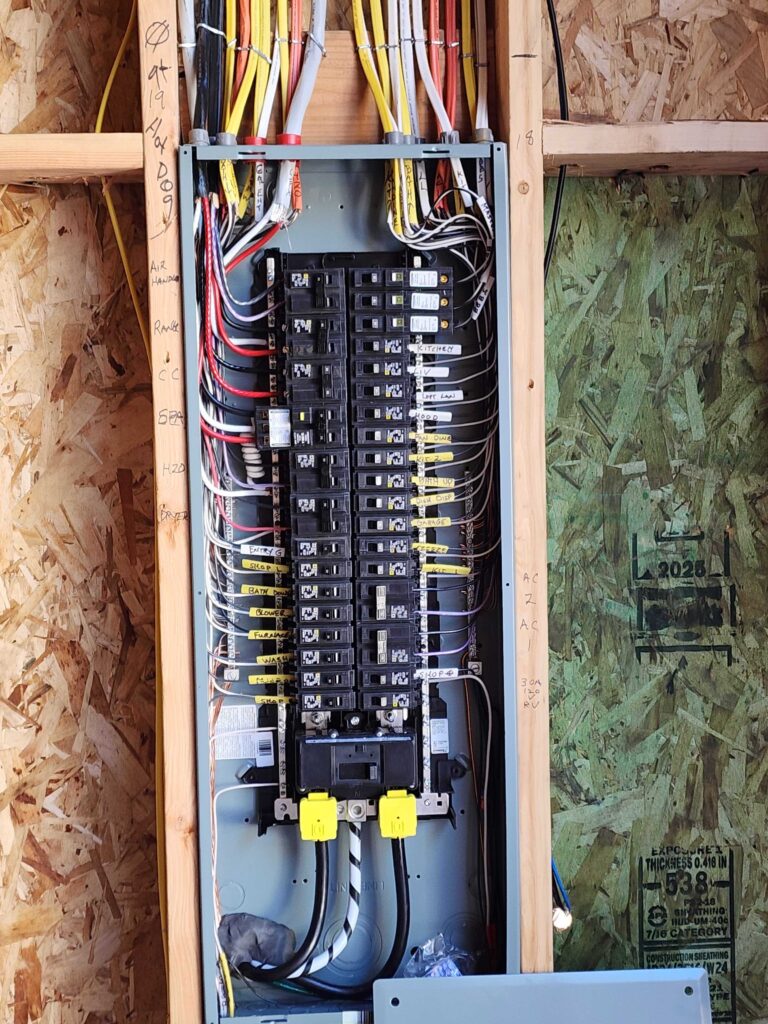
Find out what your home needs before you install an EV charger, add a heat pump, or replace a breaker that keeps tripping.
You’ve picked out a Level 2 EV charger, scheduled a heat pump estimate, or watched the same breaker trip for the third time this month. Now you’re wondering if the job is about to get a lot bigger. Will a repair or a new circuit fix it, or do you need to replace your electrical panel?
The answer depends on what your electrical system can support and what’s causing the problem. That’s where Cline’s Electrical, serving Spokane and North Idaho, can help. Contact the team you already know for heating and cooling to discuss electrical troubleshooting, dedicated circuits, and panel upgrades.
Request service online, or call 509-443-6146 to discuss your project.
Electrical Panel Upgrade? Not Always
Many projects only need a new dedicated circuit. A panel upgrade becomes part of the job when an electrician finds that your panel or service can’t safely carry the added load, or when the panel itself is damaged, worn out, or out of date.
An electrician tells the difference with a load calculation. It compares what your home already draws (the range, dryer, water heater, furnace or heat pump, air conditioner, and everything else on the panel) against what your service can supply, then adds the equipment you’re planning.
A 100-amp service with an electric range and dryer has less room to spare than the same service in a gas-heated home. That’s why two neighbors with the same charger can get two different answers. You can usually see your service size on the main breaker at the top of your panel. It’s a useful number to have when you call, but it doesn’t settle the question on its own.
When A Dedicated Circuit May Be Enough
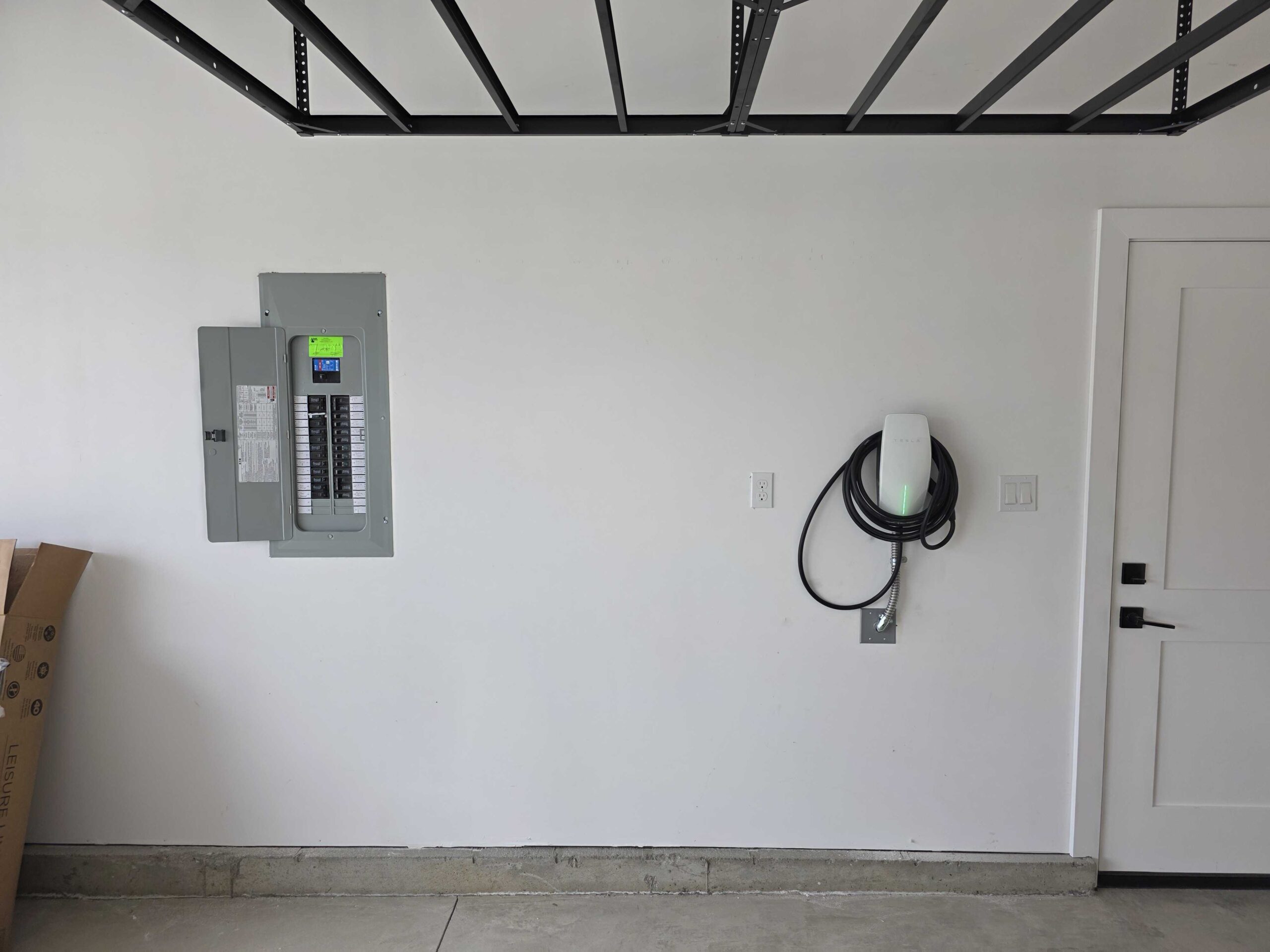
If your panel is in good condition and has enough capacity for the equipment you’re adding, a dedicated circuit may be all the project calls for. That could apply to a garage EV charger, an appliance you’re adding during a remodel, a hot tub, or a mini-split for a room that never quite gets warm.
Three details matter here:
- Physical space. The panel needs an open slot for the breaker.
- Electrical capacity. The service has to handle the additional load on top of everything already running. An open breaker slot only answers the first question.
- Condition. The panel and its connections need to be in good shape. Don’t add a new circuit to a panel that shows signs of damage or overheating.
EV chargers are a good example of how much the details matter. A charger is treated as a continuous load, so the circuit has to be sized with extra margin above the charger’s rated current. Some chargers and load-management devices can also limit how much power the charger pulls, which may let it work on an existing service without an upgrade. Whether that makes sense for your home is a question for your electrician.
If you’re still shopping, share the model or spec sheet with your electrician. The charger or heat pump you choose can affect the electrical scope, so it’s worth having that conversation before you buy.
Signs Your Panel May Need An Upgrade
Some signs point to the panel itself rather than a single circuit:
- Breakers trip regularly, especially when a large appliance or piece of equipment starts up
- Lights dim or flicker when the dryer, oven, or AC kicks on
- You still have a fuse box, or the panel has no room left for new breakers
- The panel shows rust, corrosion, scorch marks, or moisture
- You hear buzzing from the panel, or the panel or breakers feel warm
- Breakers are doubled up, or the panel has been added to over the years with no clear labeling
- Your home has older equipment known for reliability problems, which an electrician can identify
None of these automatically means you need a new panel, and some need attention faster than others. Burning smells, sparking, or a hot panel are reasons to call right away. Don’t open the panel’s inner cover yourself.
When An Electrical Panel Upgrade Makes Sense
A panel upgrade may be part of the project if your existing electrical system can’t support the equipment you’re adding, or if an electrician finds damage or deterioration at the panel. These are the projects where it comes up most often:
- EV chargers. A Level 2 charger can add a large load, and homes that are already heavy on electric appliances may not have the headroom.
- Heat pumps and mini-splits. Spokane winters mean heating equipment works hard, and some systems include electric backup heat that adds to the load. Heat pumps and ductless systems also need their own circuits and disconnects.
- Hot tubs and spas. These typically need a dedicated circuit and disconnect, and they’re a significant load.
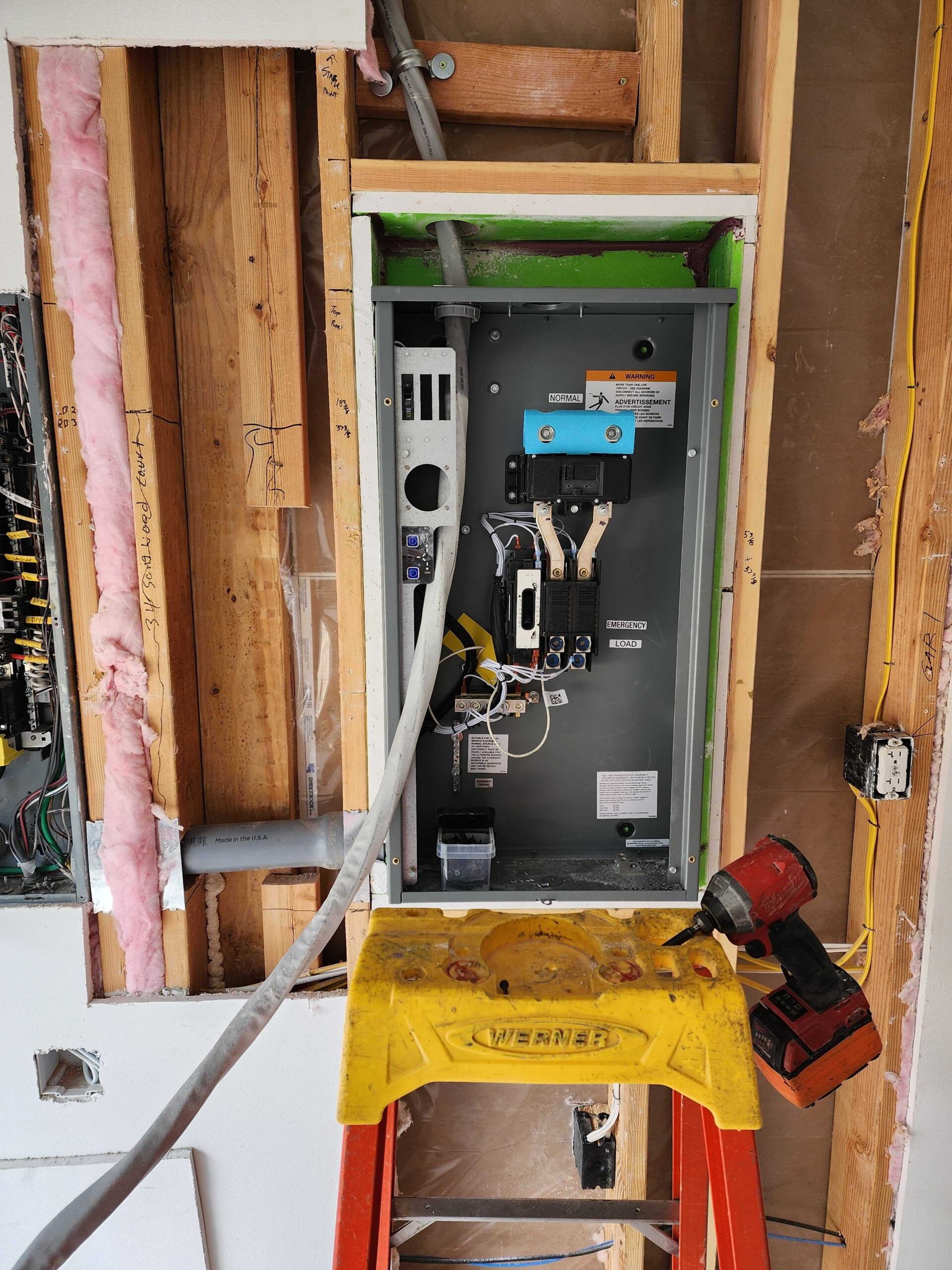
- Generators and transfer switches. Standby generator installs involve the panel directly, so its condition and layout matter.
- Additions, shops, and detached garages. New living space or a workshop often needs a subpanel or more service capacity.
- Remodels. Moving from gas to electric appliances, or adding a kitchen, can change your load more than you’d expect.
If you’re planning several upgrades, bring them up together. Planning a heat pump this winter and an EV charger next spring is easier when both are part of the same assessment. Sizing the panel once for what’s coming is usually more sensible than opening it up a second time.
Panel Replacement Vs. Service Upgrade
A panel replacement and an electrical service upgrade can involve different scopes of work.
- A panel replacement changes the equipment that distributes power to your circuits. The service coming into the house stays the same.
- A service upgrade increases the capacity available to the property. It can involve the meter base, the service entrance, and coordination with the utility.
In Spokane, the utility is Avista. Washington rules require the serving utility to approve the service entrance location and meter equipment before installing service equipment, and Avista has its own requirements for that equipment. A passed inspection doesn’t replace Avista’s approval, and only Avista personnel pull meters or disconnect the utility’s service conductors. That coordination is part of why service work involves more scheduling than a straight panel swap.
Ask which option the estimate covers and what findings support it.
What if the Same Breaker Keeps Tripping?
A tripping breaker is doing its job. The question is why it’s tripping. It could be too much on one circuit, a faulty appliance, a worn breaker, a loose connection, or a panel that’s reached its limits.
Start with troubleshooting. When you call, describe what was running when the breaker tripped, which rooms or outlets lost power, and whether the problem started after you added an appliance or changed equipment. Those details give the electrician a starting point for checking the breaker, circuit, and equipment involved.
A few things to avoid in the meantime:
- Don’t keep resetting a breaker that trips again right away.
- Don’t swap in a larger breaker. The breaker is sized to protect the wiring behind it, and a bigger one can let wiring overheat.
- If you notice a burning smell, sparking, warm outlets, or a hot panel, stop using that circuit. If it’s safe to reach, turn off power at the main breaker and call. If you see smoke or flames, leave the building and call 911.
This matters for businesses, too. If a breaker in a Spokane Valley shop trips when equipment starts up, or outlets in a tenant suite lose power during the workday, tell us what was affected and when we can access the space. That helps us understand the job and discuss scheduling around your operations.
What Should an Electrical Estimate Include?
Before you approve the work, ask for a written scope that explains:
- What the electrician found and why they recommend a repair, a new circuit, or an upgrade.
- Whether they did a load calculation and what it showed.
- Whether the work is a panel replacement or a service upgrade.
- What the price covers, including equipment, wiring, and any planned utility coordination.
- Who will handle permits and inspections if they’re required for your project.
- How long power may be off, so you can plan around work, tenants, or business hours.
- Whether other options, such as a load-management device, could reduce the scope.
If you’re getting a heat pump or mini-split from Cline’s, ask them to review the electrical requirements during the HVAC estimate. That gives both teams a chance to coordinate circuit, wiring, and disconnect needs before installation day. You can learn more about heat pump installation and ductless systems on our site.
What to Expect from Electrical Permits and Inspections
Panel replacements and service upgrades generally require an electrical permit and an inspection. In Washington, a licensed electrical contractor buys the permit for the work they do, and the state’s Department of Labor & Industries or your city handles the inspection, depending on the property’s location. Rules differ between jurisdictions and between Washington and Idaho, so ask your electrician how it works for your address.
Permitted work gets a second set of eyes on the finished job, and it creates a record that can matter later when you sell the home or file an insurance claim.
Talk To Cline’s About Your Electrical Project
Cline’s delivers safe, professional electrical work completed to the highest standard. Whether you’re planning an EV charger, adding a heat pump, or trying to figure out why the same breaker keeps tripping, tell us what you’re working on and where the property is. We’ll help you schedule the right visit and understand what the job may involve.
Request service online, or call 509-443-6146 to discuss your project.
Frequently Asked Questions Spokane Homeowners Ask About Electrical Panel Upgrades
How do I know if I have a 100-amp or 200-amp panel?
Check the main breaker at the top of the panel. The amperage is usually printed on it. An electrician can confirm what the service and equipment can actually support.
Can I add an EV charger without upgrading my panel?
Sometimes. It depends on the load calculation, the charger you choose, and whether a load-management option fits. Ask for that review before you buy.
Is a fuse box unsafe?
Not automatically, but fuse boxes have limited capacity and can be a poor fit for modern loads. An electrician can tell you what’s behind yours and what to expect if you plan to add equipment, sell, or renew insurance.
Will a new panel stop my lights from flickering?
Maybe. Flickering can have several causes, including loose connections, an overloaded circuit, or a service issue. Troubleshooting comes first.
How long will the power be out?
It depends on the scope. Panel work and service upgrades both involve shutting off power, so ask for the expected window up front.