

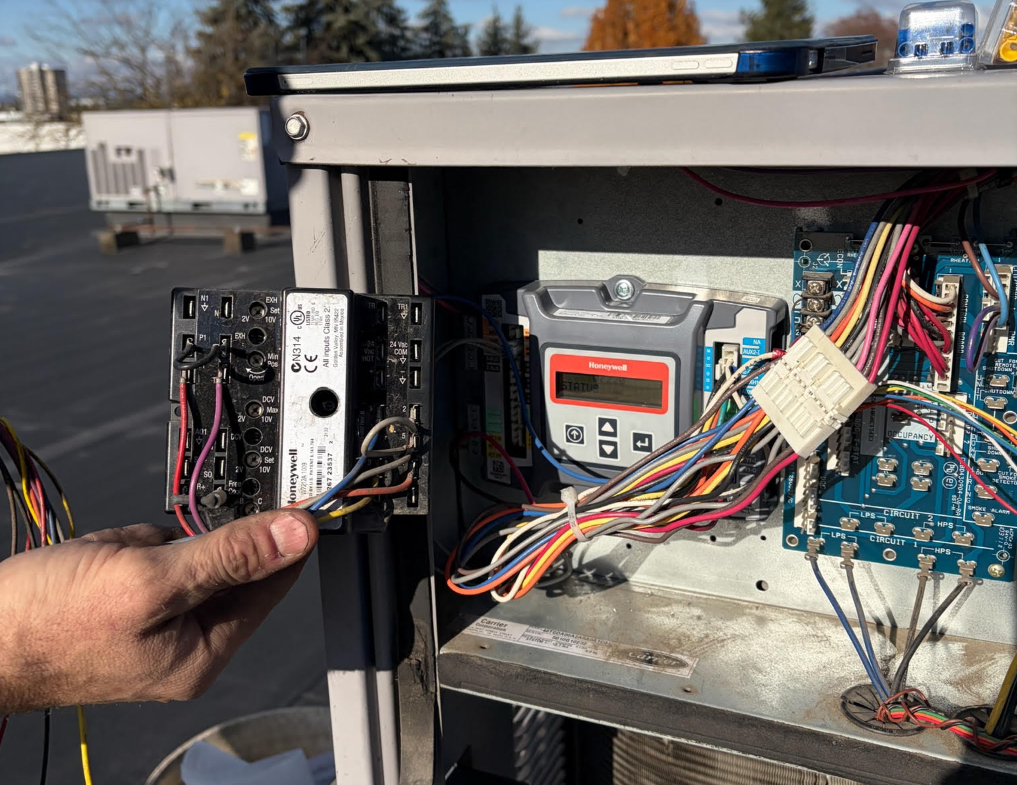
Keep a heating problem from becoming a bigger disruption to your business.
Your business is open, employees are arriving, and the thermostat says the heat is on, but the building is still cold. Air may be moving through the vents without warming up. Or the heat starts briefly, shuts off, and leaves customers and staff reaching for their jackets.
When a commercial rooftop unit is not heating, the next step is to determine whether a control setting is preventing normal operation or the equipment needs professional repair. Repeatedly raising the thermostat or restarting the system will not resolve an underlying mechanical problem.
Cline’s Heating & Air provides commercial rooftop HVAC service for businesses throughout Spokane, Spokane Valley, Liberty Lake, Coeur d’Alene, and surrounding North Idaho communities. If your building is losing heat, a diagnostic visit can help identify the cause and clarify your RTU repair options before the disruption grows.
When Should You Call for Commercial HVAC Repair?
Schedule service when your rooftop unit cannot maintain the building’s normal temperature after you have checked the accessible thermostat settings and operating schedule. Also call if the system repeatedly shuts down, makes unusual noises, or leaves an occupied area without dependable heat.
Tell the service team whether the entire building is affected or only one tenant space, office, or zone. That distinction helps describe the problem more clearly than simply reporting that the HVAC system is broken.
If you smell gas, see smoke, or a carbon monoxide alarm activates, leave the building and contact emergency services or your gas utility from a safe location. Do not attempt to restart the equipment.
Call 509-443-6146 or request commercial RTU service online to discuss your building’s heating problem and schedule service.
Why Is My Commercial Rooftop Unit Running but Not Heating?
A running fan does not necessarily mean the heating section is operating. Some commercial systems circulate air for ventilation even when they are not producing heat. The cause depends on the equipment type, controls, and operating conditions.
Economizer Stuck Open
Many rooftop units have an economizer, a set of dampers that brings in outdoor air for ventilation and free cooling. In winter, those dampers should stay near their minimum position. If an actuator, sensor, linkage, or control fails and leaves the economizer stuck open, the unit can pull in far more cold outdoor air than the heating section was designed to warm.
The result is a rooftop unit that seems to be heating but still delivers cool air, or a building that falls further behind every time the temperature drops. This is one of the most common reasons an RTU blows cold air in winter. It can also make the equipment work harder and trip safety controls. Because economizer components are on the roof and inside the unit, leave diagnosis and repair to a technician.
Thermostat or Building Control Settings
A thermostat may be set to cooling, an incorrect temperature, or an unoccupied schedule. In buildings with centralized controls, an override or scheduling issue may prevent a normal heat call. Recent changes to business hours can also leave the system following a schedule that no longer matches occupancy.
Start with the controls you are authorized to use. If the settings look correct and the building remains cold, request service rather than repeatedly changing setpoints.
Ignition, Flame Sensor, or Draft Problems
A gas-fired rooftop unit follows a set sequence before it produces heat:
- The inducer motor starts to establish draft through the heat exchanger.
- A pressure switch confirms that draft.
- The igniter lights the burners.
- A flame sensor confirms the flame is present.
If any step fails, the control board stops the sequence, and the indoor fan may keep running without heat.
A failing inducer motor, or a pressure switch that doesn’t close, can keep the burners from lighting at all. A dirty or faulty flame sensor can let the burners light and then shut them off within seconds, because the control can’t confirm the flame. After several failed attempts, many units lock out heating until the fault is corrected.
These symptoms point to a type of problem, not a specific failed part. A technician needs to test the heating sequence to find out why it stopped. Gas components, combustion checks, and safety controls require professional evaluation.
Restricted Airflow, Blower, or High-Limit Problems
Several problems can reduce airflow across the heat exchanger: dirty filters, blocked air paths, a worn or broken blower belt, or a failing blower motor. When airflow drops, the heat exchanger runs hotter than it should, and the high-limit switch shuts off the burners to protect the equipment. Once the unit cools, it may restart and trip again. The building then gets short bursts of heat followed by cool air.
An occasional limit trip means the safety control is doing its job. Repeated trips mean something is restricting airflow or the unit isn’t operating correctly. If airflow has become noticeably weaker, mention that when scheduling. Do not open rooftop panels or attempt to bypass a limit switch or other safety control to keep the heat running.
Heat Pump Defrost, Lockout, or Electric Heat Faults
Not every rooftop system uses gas heat. Packaged heat pumps and electric heating systems have different components and diagnostic needs.
In cold, damp weather, a heat pump periodically runs a defrost cycle to clear frost from its outdoor coil. During defrost, supply air can feel cool for a few minutes, which is normal.
Many units also use electric heat strips to supplement or take over heating as outdoor temperatures drop. Some controls lock out the compressor entirely below a set outdoor temperature. If the defrost controls, electric heat stages, or lockout settings aren’t working properly, the building can fall behind during a Spokane cold snap even though the unit appears to be running.
Persistent temperature loss still warrants an evaluation. Air temperature at a single vent is not enough to diagnose the system.
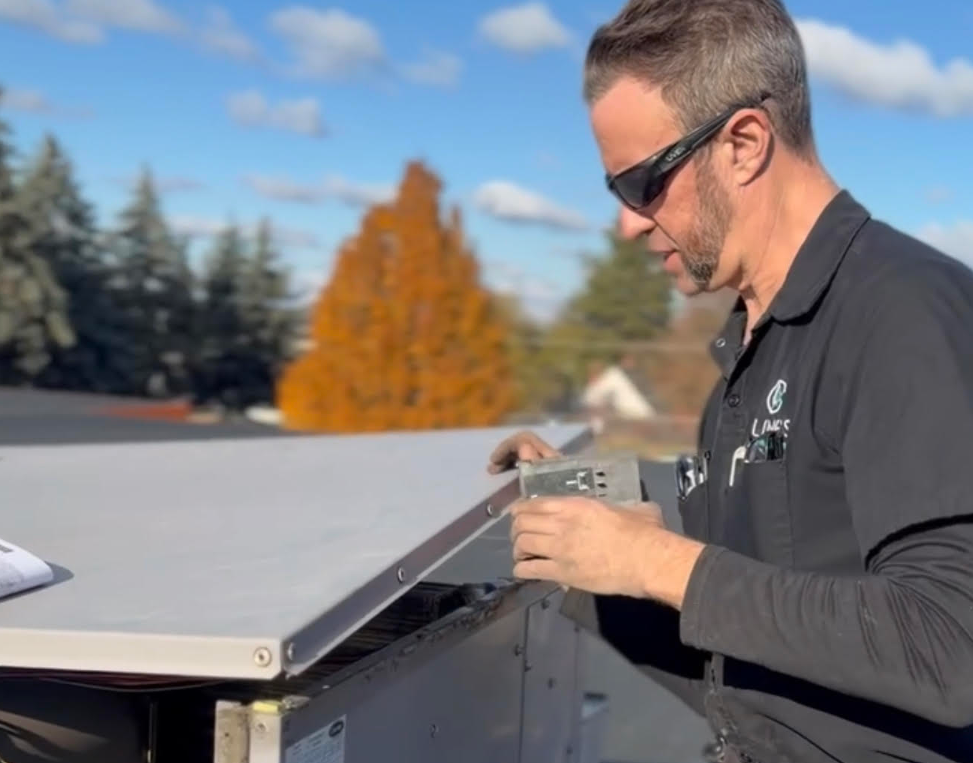
Why Does the Heat Start and Then Shut Off?
A RTU that repeatedly starts and stops before the building warms up is usually responding to a safety or control problem.
Common causes include:
- a flame sensor that can’t confirm the flame
- a high-limit switch tripping because of restricted airflow
- a pressure switch dropping out because of a draft problem
- a control fault interrupting the heating cycle
Record any message visible on an accessible thermostat or building control display. Avoid repeated resets, which can erase useful fault information or temporarily mask a recurring problem.
What If Only Part of the Building Is Cold?
When one office is cold while the rest of the building is comfortable, the rooftop unit may not be the only factor. Duct distribution, zone dampers, thermostat location, and interior layout changes can affect how heat reaches individual spaces.
For example, new partitions or a tenant buildout may change airflow needs. A space that became cold immediately after a renovation deserves a different investigation from a building that suddenly lost heat overnight.
Before calling, note which rooms are affected and whether the issue follows a particular time or schedule. Share any recent changes to walls, occupancy, or equipment use so the technician can evaluate the complaint in context.
Safe Checks Before You Schedule Commercial Rooftop HVAC Repair
You can gather helpful information without accessing the roof or opening the equipment:
- Check the thermostat mode and setpoint. Confirm the system is calling for heat and the requested temperature is above the current room temperature.
- Review the operating schedule. Look for holiday settings, unoccupied periods, or overrides that conflict with business hours.
- Check indoor supply and return grilles. Make sure furniture, boxes, and stored materials are not blocking them. Do not close other vents to force more heat into a cold room.
- Identify the affected areas. Note whether the problem is building-wide, limited to a tenant suite, or isolated to a few rooms.
- Review maintenance records. Have the last service date and any previous repair notes ready, if available.
Filter inspection or replacement should follow your facility’s approved maintenance procedures and the equipment manufacturer’s instructions. If it requires roof access or opening the unit, leave it to qualified personnel.
If these checks do not reveal a simple settings issue, contact Cline’s to arrange a commercial heating evaluation.
Should You Repair or Replace a Commercial RTU Not Heating?
A no-heat complaint does not automatically mean the unit needs replacement. The right recommendation depends on the diagnosed fault, overall equipment condition, repair history, and the building’s operating needs.
Repair may be practical when the problem is isolated, and the rest of the system remains serviceable. Replacement may deserve closer consideration when major deterioration, repeated failures, or several expensive problems make continued repairs difficult to justify.
Ask for an explanation of what failed, what the proposed repair addresses, and whether other concerns could affect reliability. A useful assessment should help you understand both the immediate work and any longer-term planning needs.
Cline’s commercial service approach includes exploring repair options for complex equipment. For a business facing a heating interruption, that means starting with a diagnosis and a clear explanation of the available options.
What to Have Ready When Scheduling Commercial HVAC Service
A few details can help the service team prepare:
- Property address, business name, and an on-site contact.
- Areas affected and when the heating problem began.
- Thermostat readings, visible messages, and changes in airflow or noise.
- Equipment make, model, and unit identification from existing records, if available.
- Roof access arrangements and any site check-in requirements.
- Business hours, tenant coordination needs, and operational concerns.
If several units serve the property, identify the affected unit from your building records when possible. You don’t need to climb onto the roof to collect information before calling.
For leased spaces, follow your lease and property management procedures for authorizing repairs. Reporting the issue promptly helps the responsible party coordinate service.
Can Maintenance Help Prevent Another Heating Interruption?
Scheduled HVAC maintenance gives a technician an opportunity to inspect equipment, review operation, and identify developing concerns. The scope should reflect the system, its usage, and the building’s requirements.
Maintenance records also help property managers track recurring problems and plan future work. Ask about a service schedule suited to your equipment rather than assuming every commercial property needs the same checklist or visit frequency.
However, a rooftop unit that isn’t heating needs a diagnostic service call. When contacting Cline’s, explain that you have an active heating problem. Once it’s addressed, commercial HVAC maintenance can become part of the ongoing plan.
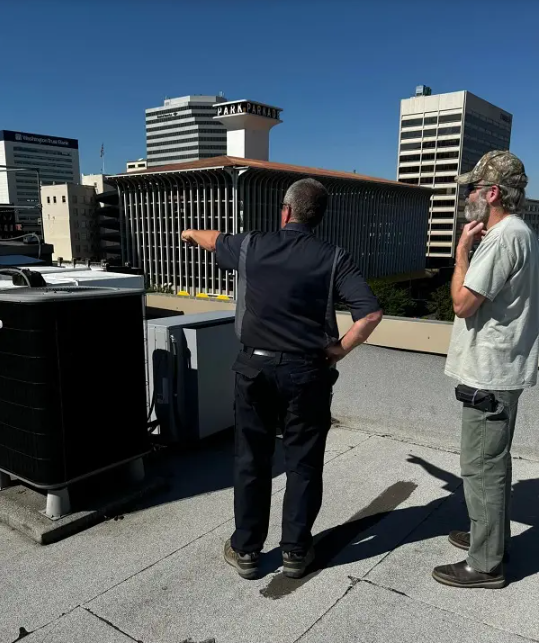
Why Choose Cline’s for Commercial RTU Repair?
Experienced technicians, accurate diagnostics, and dependable commercial heating repairs that help keep your business running.
When a commercial rooftop HVAC unit stops heating properly, the impact can extend beyond an uncomfortable building. Cold offices, uneven temperatures, and unexpected equipment shutdowns can disrupt employees, customers, tenants, and daily business operations.
At Cline’s Heating & Air, we understand how important reliable heating is to your commercial property. Serving Spokane and surrounding communities since 1988, our locally owned, veteran-owned, and woman-owned company brings decades of HVAC experience to every service call.
Our approach is straightforward: diagnose the problem accurately, explain your repair options, and focus on fixing equipment whenever a practical, cost-effective repair is possible.
Experienced Commercial HVAC Technicians
Commercial rooftop heating systems require specialized knowledge and careful troubleshooting. Our technicians have experience diagnosing and repairing packaged rooftop units, including gas heating components, electrical controls, ignition systems, blower motors, and airflow-related problems.
We identify the underlying cause of heating failures rather than replacing components without understanding why they stopped working.
Responsive Service That Minimizes Disruptions
A rooftop heating failure can affect multiple offices, retail spaces, or occupied areas of your building. During Spokane’s cold winter months, restoring dependable heat becomes a priority.
Cline’s coordinates service promptly, identifies the problem, and recommends the most practical next steps to restore heat while minimizing unnecessary interruptions to your business.
Honest Recommendations and Upfront Pricing
Commercial HVAC repairs can range from a faulty sensor or loose electrical connection to a more significant mechanical issue.
Before proceeding, we explain our findings, discuss the recommended work, and provide clear pricing. You can make an informed decision about your equipment without unnecessary pressure to replace a system that may still have years of useful service ahead.
Quality Repairs With a Repair-First Approach
Most techs replace it. Ours fix it.
That philosophy is central to how Cline’s approaches HVAC service. Our technicians focus on identifying repairable problems and using appropriate replacement parts and proven repair methods to restore reliable operation.
When replacement is genuinely the better long-term investment, we’ll explain why and help you understand your options. Our goal is to help you make the right decision for your building, your equipment, and your operating budget.
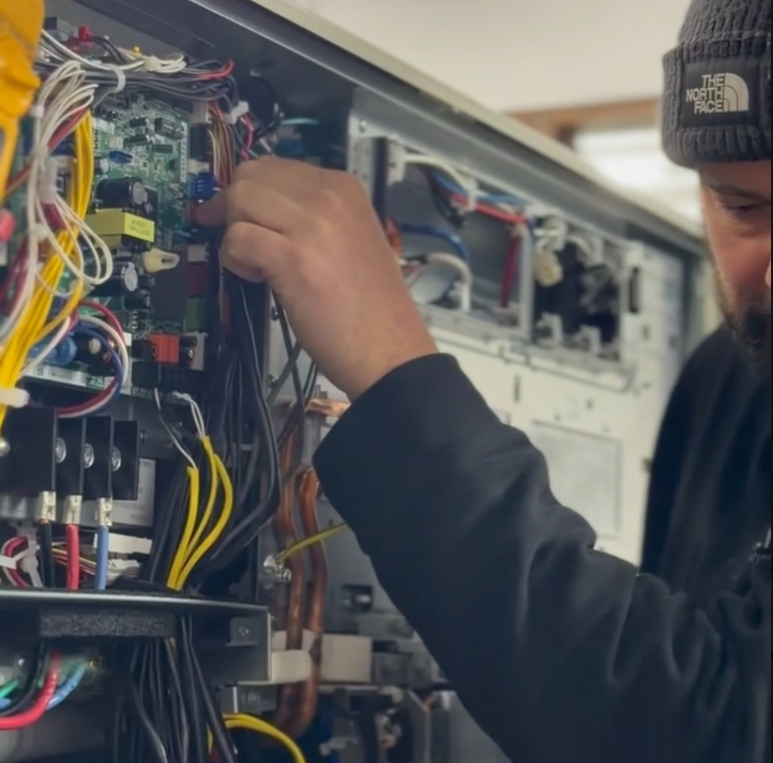
Schedule Commercial Heating Repair With Cline’s
Commercial rooftop heating problems shouldn’t interrupt your business any longer than necessary. Get experienced help from a local HVAC company that prioritizes accurate diagnostics and practical repairs.
If your commercial rooftop unit is blowing cold air, shutting down repeatedly, making unusual noises, or leaving parts of your building without adequate heat, Cline’s can identify the cause and recommend the right repair.
Whether you manage an office building, retail space, restaurant, or other light commercial property, our team understands the importance of dependable heating and minimizing disruptions to building operations.
Don’t let a malfunctioning rooftop heating system affect your employees, customers, or tenants. Contact Cline’s for experienced commercial rooftop HVAC repair and straightforward recommendations.
Call 509-443-6146 or request commercial RTU service online to discuss your building’s heating problem and schedule service.
Frequently Asked Questions About Commercial Rooftop Heating Problems
Why is my rooftop HVAC unit blowing cold air in heating mode?
The fan may be running without active heating, or the system may have a fault in its controls, ignition sequence, or airflow. An economizer stuck open is another common winter cause, because it pulls in more cold outdoor air than the heating section can warm. If the building can’t reach its setpoint after you’ve checked the controls, schedule commercial HVAC service.
Should I keep resetting a commercial rooftop unit?
Avoid repeated resets. A recurring shutdown needs diagnosis, and resetting may clear information that helps a technician investigate the fault. Report visible messages and follow the service provider’s instructions.
Can one rooftop unit cause several offices to lose heat?
Yes. If those offices share the same unit, a heating failure can affect all of them. Zone controls or air distribution problems can also create uneven temperatures, so provide a list of affected areas when scheduling.
Is loss of heat always an emergency?
Urgency depends on indoor conditions, weather, occupants, and the building’s operations. Tell the service team if temperatures are falling rapidly or temperature-sensitive areas are affected. Gas odors, smoke, or a carbon monoxide alarm require immediate emergency action.
What are the most common causes of commercial RTU heating failures?
Common causes include:
- an economizer stuck open
- a dirty or failing flame sensor
- inducer motor or pressure switch problems
- high-limit trips from restricted airflow
- worn blower motors or belts
- thermostat and control faults
- electrical problems
On heat pump systems, defrost control and electric heat problems are also common. Spokane’s cold winter temperatures put extra strain on commercial heating equipment, especially when maintenance is delayed. A qualified commercial HVAC technician can inspect the system, identify the underlying problem, and determine whether it needs repair.
Why does my RTU heat for a few minutes and then blow cold air?
This pattern often points to a high-limit switch tripping from restricted airflow, a flame sensor that isn’t confirming the flame, or an economizer letting in too much cold outdoor air. Note how long the heat runs before it stops and whether the fan keeps running afterward, then share those details when you schedule service. Avoid repeated resets, since many units lock out heating after several failed attempts.
Should I repair or replace my commercial rooftop HVAC unit?
The decision depends on the equipment’s age, overall condition, repair history, and the cost of restoring reliable operation. A relatively minor repair may extend the life of an otherwise dependable rooftop unit, while repeated breakdowns, major component failures, or declining efficiency may make replacement worth considering. Cline’s Heating & Air takes a repair-first approach, helping Spokane-area businesses understand their options before investing in new equipment.
No Heat? We’ll Fix It. Call (509) 443-6146 or Schedule Service.