

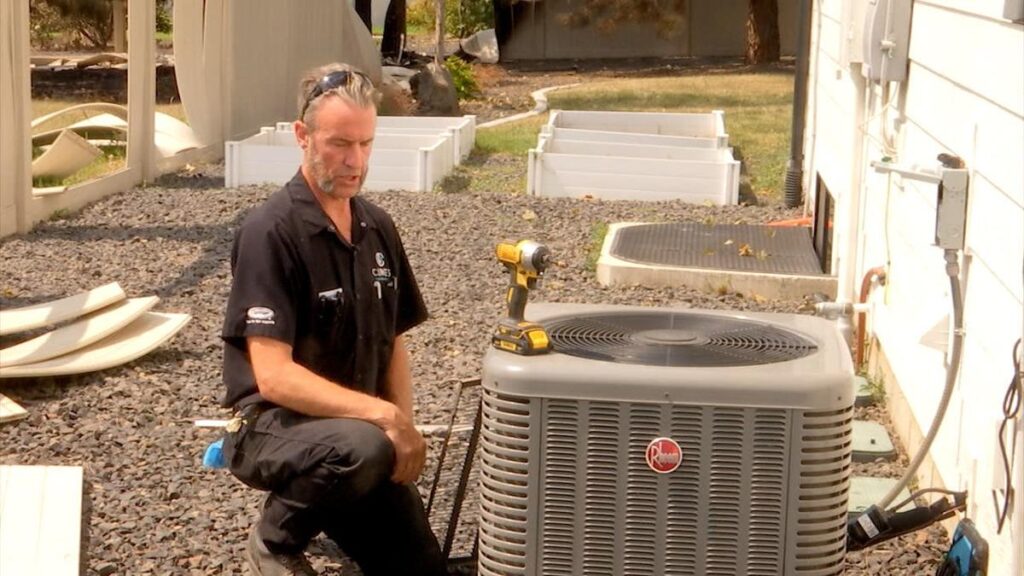
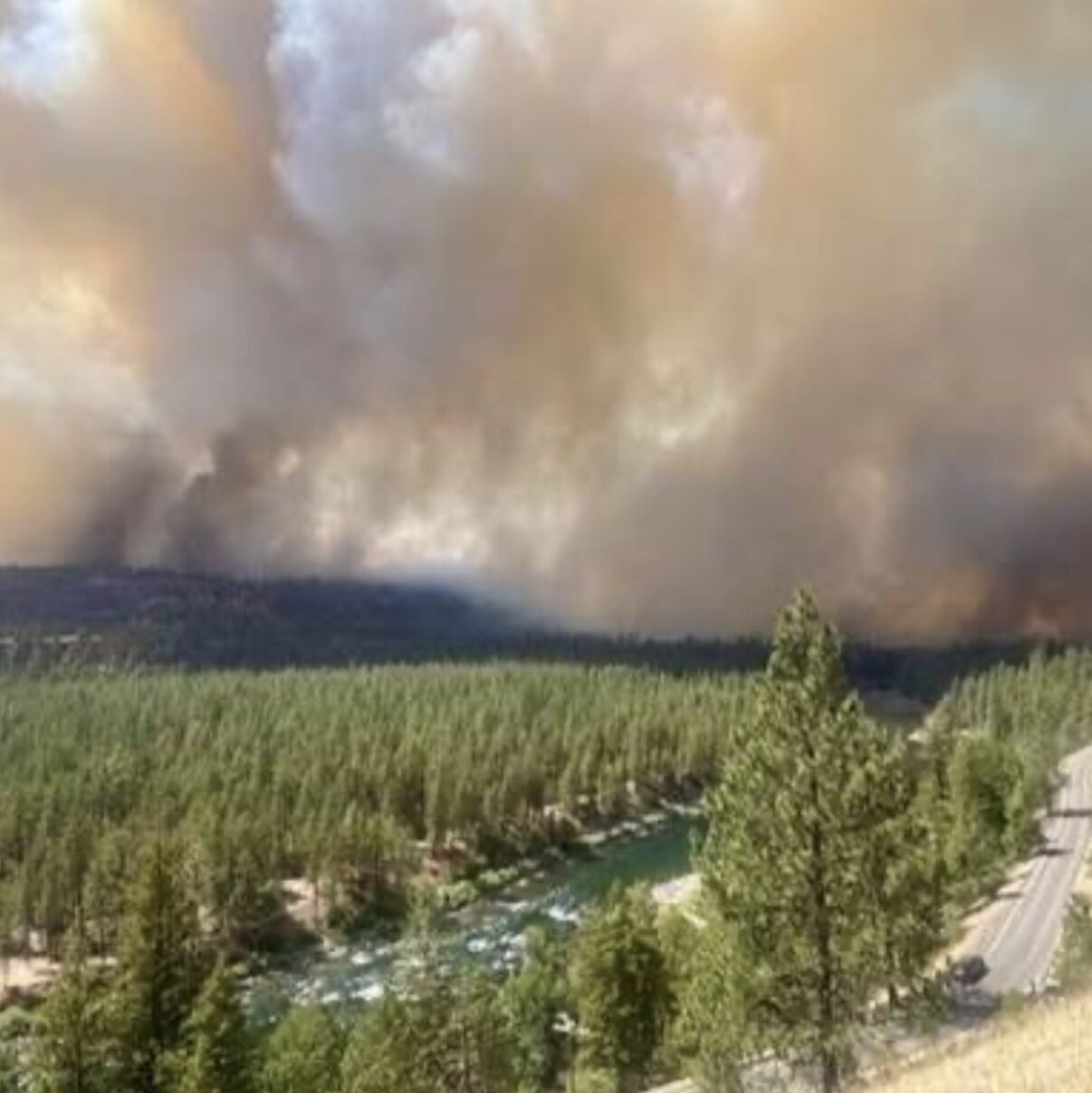
This has been a difficult fire season for Spokane and the surrounding communities.
Wildfires have forced families to evacuate, damaged and destroyed homes, filled neighborhoods with smoke and ash, and left many residents returning home unsure of what they will find. Even for homeowners whose properties were spared from direct fire damage, the effects of wildfire smoke can linger long after the immediate danger has passed.
As the Spokane community begins to recover, local businesses and organizations have been finding ways to help.
Cline’s Heating and Air is doing its part by offering free HVAC inspections to homeowners affected by the recent fires, an effort highlighted in a local news story titled “Free Air Conditioning Inspections Help Spokane Residents Affected by Fires.”
For the Cline’s team, the goal is simple: give affected homeowners one less thing to worry about and help them understand whether smoke, ash, heat, or debris may have affected their heating and cooling equipment.
Wildfire Smoke Doesn’t Always Stay Outside
When wildfire smoke blankets Spokane, closing the windows and staying indoors is one of the first things most of us think about doing.
Unfortunately, being inside does not necessarily mean your home is completely protected from smoke. Fine particles from wildfire smoke can enter a house through doors, windows, small gaps in the building envelope, ventilation systems, and outdoor air intakes.
Your HVAC system can play an important role in reducing the amount of particulate matter circulating through the home, but that also means the system’s filtration equipment may work much harder than usual during prolonged periods of smoke.
A home doesn’t require direct fire damage for its HVAC system to warrant extra attention after a major wildfire or smoke event.
Your HVAC Filter May Have Been Working Overtime
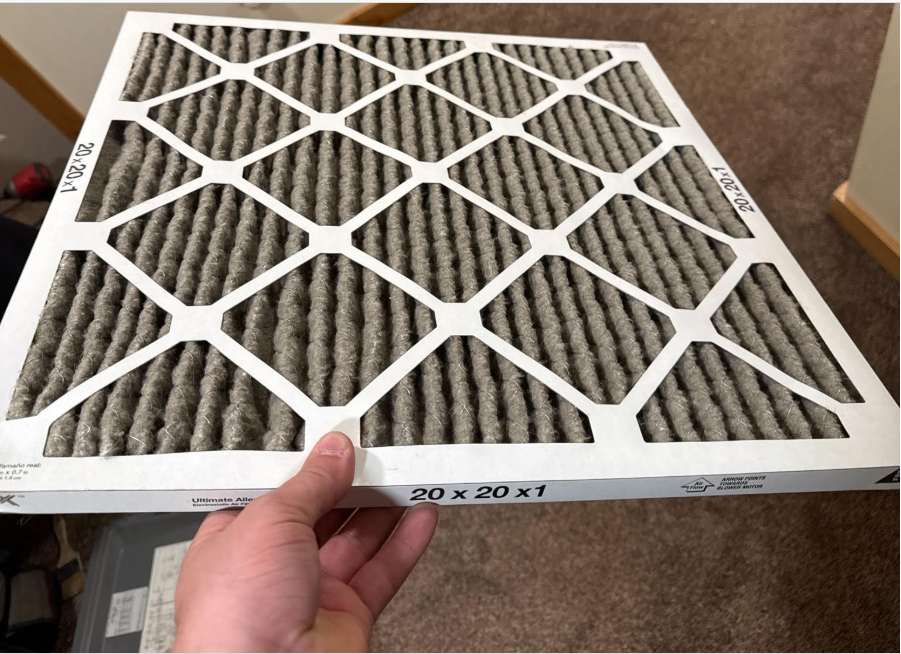
One of the simplest things Spokane homeowners can do after a period of heavy wildfire smoke is also one of the easiest to overlook: Check your HVAC filter. Don’t assume that a filter is fine simply because it was recently replaced.
During periods of significant wildfire smoke, filters can collect particulate matter much faster than they would under normal conditions. As a filter becomes loaded with contaminants, airflow through the HVAC system can become restricted. Reduced airflow can affect comfort and efficiency, forcing the system to work harder to heat or cool your home.
If your neighborhood experienced significant smoke, check the filter even if you are nowhere near your normal replacement date. A filter that is visibly dirty or heavily discolored may need replacement.
Homeowners interested in improving filtration may also want to ask about higher-efficiency filters. A MERV 13 filter can capture much smaller particles than many basic residential filters, but it is important to remember that not every HVAC system is designed for every type of filter.
The best choice is generally the highest-efficiency filter that your particular system can safely accommodate without restricting airflow. If you are unsure, an HVAC professional from Cline’s Heating and Air can help determine the appropriate filtration for your equipment.
How Can Wildfire Smoke Affect Your HVAC System?
The filter is only one part of the equation. Depending on how close your property was to a fire and how much smoke, ash, heat, or debris it encountered, several parts of the HVAC system may deserve attention.
Filters Can Become Dirty Much Faster
Wildfire smoke contains extremely small particles that can become trapped by your HVAC filter. During prolonged smoke events, the filter may reach the point where it needs replacement much sooner than it normally would.
Smoke and Soot Can Find Their Way Indoors
Smoke that enters a home may circulate through the HVAC system. In homes with substantial smoke exposure, particles and odors may enter indoor equipment and potentially the ductwork. That does not automatically mean your ducts need cleaning or your HVAC system needs major work. It means the system should be evaluated based on what actually happened inside the home.
Outdoor Equipment Can Be Exposed to Ash and Debris
Your air conditioner’s outdoor condenser sits directly in the environment. Ash, leaves, dust, and other airborne debris can collect around the equipment and outdoor coil. Properties located near a wildfire may have experienced considerably greater exposure.
Homeowners should also be careful about aggressively cleaning outdoor equipment themselves. HVAC coils and electrical components can be damaged when cleaned incorrectly.
Extreme Heat Can Damage Equipment
Homes located very close to a fire face another concern. Extreme temperatures can damage wiring, electrical components, refrigerant lines, plastic components, insulation, and other parts of an HVAC system even when the equipment does not initially appear destroyed.
That is one reason a professional inspection can be valuable after a property has experienced direct or nearby fire exposure.
What Should Spokane Homeowners Do After Heavy Wildfire Smoke?
For Spokane homes affected primarily by smoke rather than direct fire damage, a few relatively simple steps can make a difference.
Start by checking your HVAC filter and replacing it if it is dirty. Continue checking it more frequently while wildfire smoke remains an issue rather than relying exclusively on your normal replacement schedule.
When outdoor air quality is poor, keep windows and exterior doors closed as much as reasonably possible. If your HVAC system has a setting that introduces outdoor air, consider switching it to recirculate indoor air during periods of heavy smoke, if appropriate for your equipment.
Running the HVAC fan more frequently can also allow air to pass through the filter more often, particularly when the system is equipped with an effective and compatible filter. Most importantly, pay attention to your home and your equipment. Unusual odors, reduced airflow, excessive dust or soot, poor cooling performance, strange noises, or visible ash around outdoor equipment are all reasons to have the system evaluated.
And if your property was close to one of the fires, experienced heavy smoke or ash, or sustained direct fire or heat exposure, a professional HVAC inspection can provide much more certainty than simply turning the system back on and hoping everything is okay.
Wildfire Smoke Is Also an Indoor Air Quality Concern
Protecting your HVAC equipment is important after a wildfire, but another concern should not be overlooked: the quality of the air inside your home.
Wildfire smoke contains fine particulate matter that can make its way indoors even when your windows and doors are closed. These extremely small particles can remain suspended in the air and circulate throughout the home, which is why indoor air quality can become an important concern during Spokane’s wildfire season.
A good HVAC filter is an important first line of defense, but filtration is only one part of improving indoor air quality. For homeowners concerned about what they are breathing, Cline’s Heating and Air can evaluate a home’s indoor air quality and recommend solutions based on what is actually happening inside.
Know What’s in the Air You’re Breathing
Rather than guessing, Cline’s can perform professional indoor air quality testing using the AirAdvice M5200, which measures several factors that can affect the air inside a home, including:
- Particulate matter
- Volatile organic compounds (VOCs)
- Formaldehyde
- Carbon dioxide
- Carbon monoxide
- Temperature
- Humidity
Homeowners receive a report showing what was detected, helping identify potential indoor air quality concerns before deciding what, if anything, needs to be done. That can be particularly valuable after periods of heavy wildfire smoke because it gives homeowners a clearer picture of conditions inside their home, rather than relying solely on what they can see or smell.
Can a Whole-Home Air Purification System Help With Wildfire Smoke?
For some Spokane homes, improving HVAC filtration may be enough. Others may benefit from additional indoor air quality equipment.
Whole-home air purification systems work with your HVAC system to help address airborne contaminants as air circulates throughout the house. Unlike a portable purifier designed for a single room, a properly selected whole-home system can provide treatment throughout the areas served by the home’s ductwork.
For homeowners considering additional air purification, Cline’s is currently offering professionally installed whole-home REME HALO® systems for a flat $999, with no pricing tiers or upsells. Special pricing is available through September 1.
Sometimes the right answer is replacing a smoke-loaded filter. Sometimes it is upgrading filtration. In other homes, professional air quality testing may uncover an issue that warrants a whole-home air purification or other indoor air quality solution.
Especially after a wildfire, the best place to start is understanding what’s actually happening inside your home.
Cline’s Is Offering Free HVAC Inspections to Fire-Affected Homeowners
That is where Cline’s Heating and Air is trying to help.
In response to the recent fires, Cline’s is offering complimentary HVAC inspections for homeowners whose properties have been affected by natural disasters, including Spokane-area residents dealing with the aftermath.
Recently featured in the news under the headline “Free Air Conditioning Inspections Help Spokane Residents Affected by Fires,” the inspection is intended to help homeowners understand the condition of their HVAC equipment and identify potential problems caused by smoke, ash, debris, heat, or direct fire exposure.
Depending on the property and equipment, the Cline’s team can evaluate areas including:
- Outdoor HVAC equipment and coils
- Electrical components
- Furnaces and air handlers
- Filters and filtration systems
- Ductwork
- Visible smoke, soot, ash, or heat-related damage
- Overall system operation
The goal is not to assume that damaged or exposed equipment needs to be replaced. If a system can be safely cleaned or repaired, that may be the appropriate recommendation. If significant damage has occurred, the homeowner can then make an informed decision about the next step.
Documentation Can Also Help With Insurance Claims
For homeowners dealing with fire-related property damage, determining what happened to the HVAC system is only part of the process. There may also be an insurance claim.
As part of its disaster relief efforts, Cline’s can provide photos and written documentation of HVAC conditions that homeowners can use when working with their insurance company.
That documentation can be especially valuable when damage is not as visually obvious as a burned wall or a damaged roof. Smoke contamination, electrical damage, heat exposure, or damage to internal HVAC components may require professional evaluation for proper identification and documentation.
For families already dealing with cleanup, repairs, temporary housing, insurance companies, and everything else that follows a wildfire, having one more piece of the process documented clearly can make things a little easier.
Helping Spokane Recover One Home at a Time
Cline’s Heating and Air has served the Spokane region since 1988. Today, the company continues under local ownership by Michael and Treasure Boston, with a team that lives and works in the same communities as its customers. That makes events like these personal.
When your customers are also your neighbors, responding to a disaster is about more than keeping air conditioners running. It is about figuring out what you can do that is genuinely useful.
For Cline’s, one approach has been to leverage the expertise its technicians already have to provide affected homeowners with the information they need at a time when many families already have more than enough to worry about.
The free inspections are not intended to turn a difficult situation into a sales opportunity. They are designed to determine the actual condition of the HVAC system. Some systems may need a new filter and cleaning. Others may require repairs. Homes that experienced severe heat or fire damage may need more substantial work.
The important thing is knowing the difference.
Spokane Has Always Been a Community That Shows Up
Wildfires can change a community in a matter of hours. Recovery takes much longer.
It takes firefighters and first responders working to protect homes and lives. It takes neighbors helping neighbors, organizations providing resources, businesses contributing their expertise, and families supporting one another as they begin putting things back together.
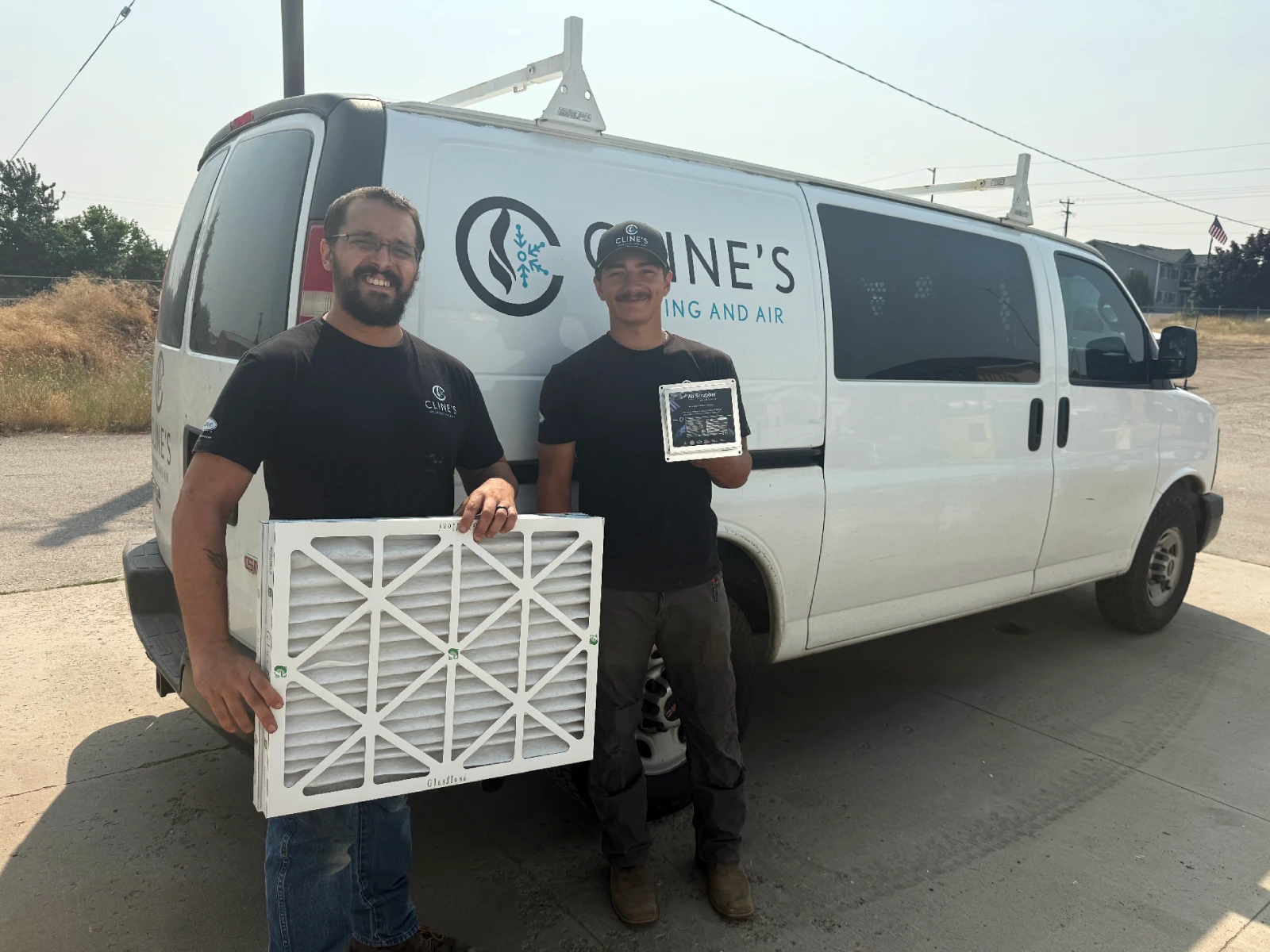
Cline’s Heating and Air is proud to be one small part of that effort. If your home was affected by the recent Spokane-area fires, whether through direct fire damage, heavy smoke, ash, or extreme heat, you don’t have to guess about the condition of your HVAC system.
Cline’s is currently offering free HVAC inspections for affected homeowners to help determine whether equipment needs cleaning, repair, additional evaluation, or replacement. There is no pressure and no obligation.
For homeowners concerned about lingering smoke and indoor air quality, Cline’s can also evaluate indoor air quality and discuss appropriate filtration and whole-home air purification options.
The goal is to give Spokane homeowners clear information about their HVAC systems and indoor air quality so they can make informed decisions and focus on what matters most: recovering, rebuilding, and getting their homes and lives back to normal.
If your home was affected by the recent fires, contact Cline’s Heating and Air today to request your complimentary HVAC inspection.