


A commercial chiller plays a major role in keeping a building comfortable, efficient, and operational. For many businesses, schools, medical facilities, industrial buildings, and commercial properties, the chiller is one of the most important pieces of HVAC equipment on site. When a chiller starts to struggle, the effects can be felt throughout the entire facility. Cooling may become inconsistent. Energy bills may increase. Repairs may become more frequent. In some cases, an aging or unreliable chiller can affect comfort, productivity, equipment performance, and day-to-day operations.
Although commercial chiller replacement is a major investment, it can also be one of the most important decisions a facility owner or property manager makes. Knowing when to replace your chiller, what signs to watch for, and how the right HVAC contractor can help makes the process much easier. At Cline’s Heating and Air, we specialize in replacing outdated or inefficient commercial chillers with advanced systems that meet modern demands. Whether you’re facing rising energy costs or repeated breakdowns, our team is here to deliver reliable solutions that keep your business running smoothly.
What Does a Commercial Chiller Do?
A commercial chiller removes heat from a building or process and transfers it to the outside. Instead of using a standard residential-style air conditioning system, many commercial facilities rely on chilled-water systems to meet higher cooling demands. Chillers are commonly used in:
- Large commercial properties
- Healthcare facilities
- Manufacturing facilities
- Industrial buildings
- Food Processing Facilities
- Hotels and hospitality properties
Because these systems often serve large areas or critical operations, chiller performance matters. When the system is no longer cooling efficiently or reliably, replacement may become the best long-term solution.
Signs Your Commercial Chiller May Need Replacement
Not every chiller issue means the system needs to be replaced. In some cases, professional repair or maintenance can restore performance. However, when problems become frequent, expensive, or disruptive, consider replacement. Common signs that your commercial chiller may be nearing the end of its service life include:
Rising Energy Costs
Older chillers often lose efficiency over time. If your energy bills are increasing and your building usage has not changed significantly, your cooling system may be working harder than it should. A newer, more efficient chiller can help reduce energy waste and improve overall system performance.
Frequent Repairs
Occasional repairs are expected with any commercial HVAC system. However, if your chiller requires repeated service calls, replacement may be more cost-effective than continuing to invest in an aging system. Frequent breakdowns can also create comfort issues and operational interruptions.
Inconsistent Cooling
If some areas of your building are too warm while others remain comfortable, your chiller may no longer be keeping up with demand. Uneven cooling can be caused by system age, failing components, control issues, or capacity problems.
Unusual Noises or Vibration
Loud operation, vibration, grinding, banging, or other unusual sounds should never be ignored. These symptoms may indicate mechanical wear, failing components, or deeper system issues that require professional evaluation.
Older Equipment
If your chiller is older and has already required significant repairs, replacement may be worth considering. As equipment ages, parts can become harder to source, efficiency may decline, and the risk of unexpected failure can increase.
Changes in Building Use
A chiller that worked well years ago may no longer be the right fit if the building has changed. Renovations, added square footage, new tenants, increased occupancy, updated equipment, or expanded operations can all change cooling needs. In these cases, replacing the chiller with a properly sized system can improve performance and comfort.
Why Commercial Chiller Replacement Should Be Planned Carefully
Replacing a commercial chiller is not the same as swapping out a small HVAC unit. It requires careful planning, proper sizing, coordination, and experienced installation. A professional commercial HVAC contractor should evaluate:
- Building size and layout
- Current cooling load
- Occupancy and operating hours
- Existing piping and controls
- Energy efficiency goals
- Equipment access
- Utility requirements
- Ventilation needs
- Budget and long-term operating costs
The goal is not just to install a new chiller, but to install the right chiller for the building. A system that is too small may struggle to keep up. A system that is too large may have a short cycle time, waste energy, and cause unnecessary wear. Proper evaluation helps ensure the new system is designed around the building’s actual needs.
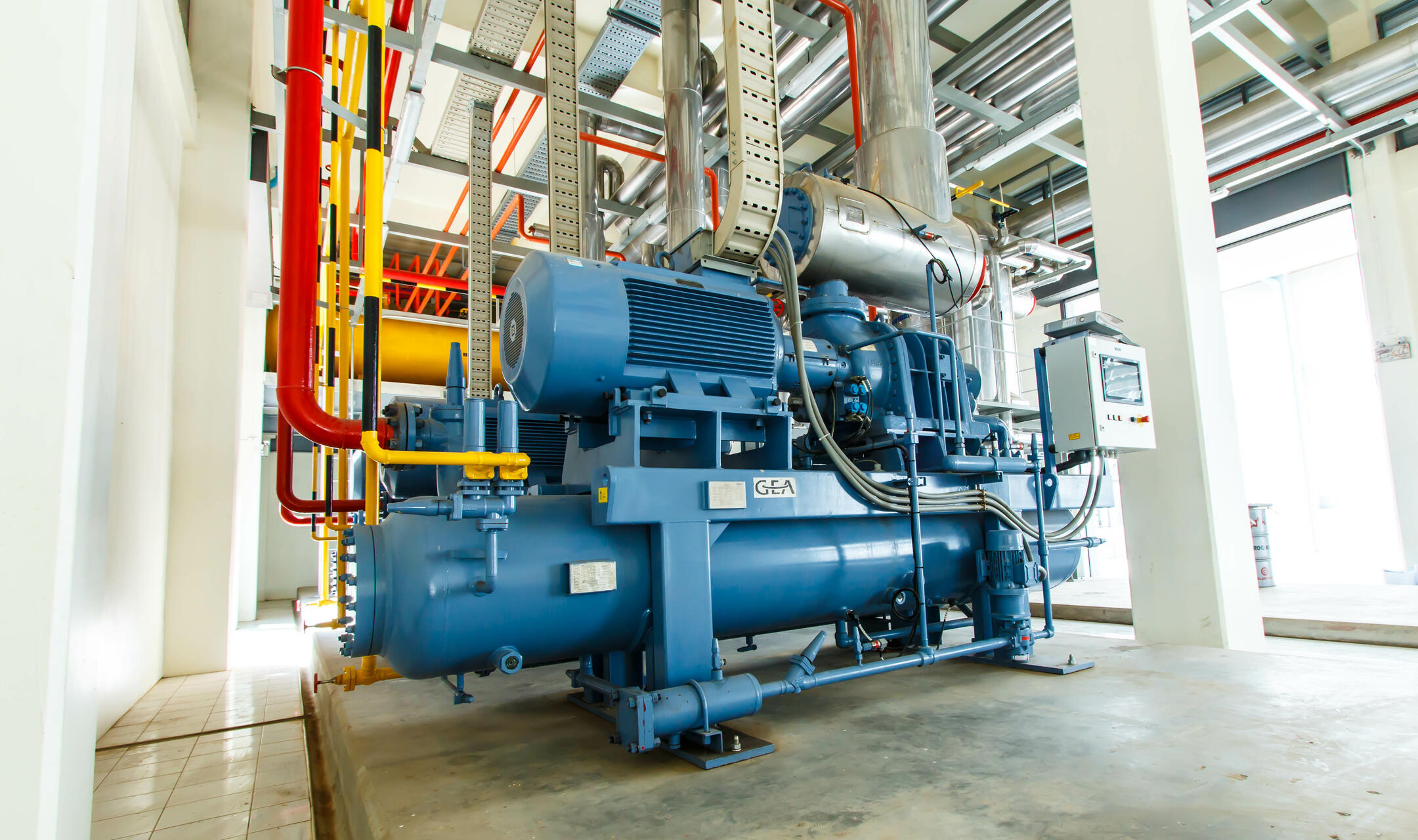
The Benefits of Replacing an Aging Commercial Chiller
While chiller replacement is a significant investment, it can provide important long-term benefits for commercial facilities. An older chiller may still operate, but that does not always mean it is operating efficiently, reliably, or cost-effectively. Replacing an aging system can help improve building comfort, reduce operational stress, and give facility owners and property managers greater confidence in their cooling system.
Improved Energy Efficiency
Modern chillers are designed to deliver better performance with improved efficiency. Replacing an outdated system can help reduce wasted energy and lower operating costs over time. For many commercial buildings, cooling accounts for a major part of energy use, so even modest efficiency improvements can make a meaningful difference. A newer chiller can also help the system run more smoothly, respond better to building demand, and reduce unnecessary strain on supporting equipment.
Better Cooling Performance
A properly selected and installed chiller can provide more consistent cooling throughout the building. This helps improve comfort for employees, tenants, customers, patients, students, and visitors. Consistent cooling is especially important in buildings with high occupancy, sensitive equipment, medical spaces, production areas, or tenant-controlled environments. When the chiller is properly sized and installed, the entire building can benefit from steadier temperatures and improved comfort.
Reduced Repair Costs
Replacing an unreliable chiller can help reduce ongoing costs for emergency repairs, replacement parts, and repeated service calls. It can also help prevent unexpected downtime. As chillers age, repairs often become more frequent and more expensive. In some cases, parts may be harder to find, and service interruptions can become more disruptive. A new system can help facility managers move away from reactive repairs and toward a more predictable maintenance plan.
Better System Control
Newer commercial HVAC systems often offer improved controls, monitoring, and automation options. This can make it easier to manage comfort, schedules, performance, and energy use. Improved controls may allow facility teams to adjust operations based on occupancy, building schedules, outdoor conditions, or specific comfort needs. This can help reduce waste while giving building owners and managers better insight into how the system is performing.
Increased Reliability
For many commercial buildings, reliable cooling is essential. A new chiller can provide greater confidence, especially before peak cooling season or during periods of high demand. Unexpected chiller failure can affect business operations, tenant satisfaction, customer comfort, employee productivity, and even equipment performance. Replacing an aging system before it fails can help reduce the risk of costly disruptions and emergency replacement.
Supporting Long-Term Facility Planning
Commercial chiller replacement can also support broader building goals, including energy management, tenant satisfaction, operational planning, and equipment modernization. Instead of waiting for a major breakdown, proactive replacement gives property owners and facility managers time to plan, budget, and coordinate installation. This can make the project smoother and help ensure the new system supports the building’s needs for years to come.
Repair or Replace: How to Make the Right Decision
Deciding whether to repair or replace a commercial chiller depends on several factors. There is no one-size-fits-all answer, especially when the system supports a large building, multiple tenants, sensitive equipment, or daily business operations. A professional commercial HVAC technician can inspect the system, evaluate its current condition, and help you compare repair costs with the long-term value of replacement.
In some cases, a targeted repair may be enough to restore performance. In other situations, continued repairs may only delay a replacement that is already needed. Important questions to consider include:
- How old is the chiller?
- How often does it need repairs?
- Are replacement parts difficult to find?
- Has efficiency declined?
- Is the system meeting the building’s cooling demand?
- Are energy costs increasing?
- Could a breakdown disrupt business operations?
- Will replacement provide better long-term value?
The decision should also include more than the immediate repair cost. Facility owners and property managers should consider energy use, comfort complaints, downtime risk, maintenance history, and the impact an unexpected failure could have on daily operations. In many cases, replacement makes the most sense when repair costs are high, system reliability is poor, or the chiller is no longer efficient enough to properly support the building. A planned replacement can give building owners more control than waiting for a major failure during peak cooling demand.
The Importance of Working with an Experienced Commercial HVAC Contractor
Commercial chiller replacement requires experience, planning, and technical knowledge. The contractor should understand commercial HVAC systems, building cooling loads, equipment selection, installation requirements, controls, piping, and long-term maintenance needs. The right contractor does more than recommend a new piece of equipment.
They take time to evaluate how the existing system is performing, how the building is being used, and what the facility needs from its cooling system moving forward. This helps ensure the replacement chiller is properly sized, professionally installed, and designed to support reliable operation.
Cline’s Heating and Air provides commercial HVAC support for businesses and facilities that need dependable cooling solutions. From evaluating existing equipment to helping determine whether replacement is the right choice, our team can guide you through the process with honesty, skill, and practical recommendations.
We don’t believe in replacing equipment just to replace it. If your system can be repaired and maintained effectively, we will help you understand your options. If replacement is the better long-term decision, we can help you plan for a system that supports your building’s comfort, efficiency, reliability, and long-term operating needs.
Proactive Planning for Commercial Chiller Replacement: Before an Emergency Happens
One of the best times to plan for commercial chiller replacement is before the system fails completely. Waiting until a major breakdown can create stress, downtime, rushed decisions, and unexpected costs. Proactive planning gives facility owners and property managers time to evaluate options, budget properly, coordinate installation, and avoid unnecessary disruptions.
It also allows your commercial HVAC contractor to review system performance, equipment access, cooling demands, and installation requirements before the project becomes urgent. If your commercial chiller is aging, inefficient, unreliable, or struggling to keep up with demand, now is the time to schedule a professional evaluation. Planning can help protect your building, your budget, and the people who depend on your cooling system every day.
Cline’s Commercial Chiller Replacement Process
At Cline’s Heating and Air, we understand that commercial chiller replacement is a major project for any facility. Our goal is to make the process as organized, efficient, and stress-free as possible while helping minimize disruption to your building operations.
Initial Consultation and System Evaluation
The process begins with a professional evaluation of your existing chiller, building layout, cooling requirements, and current system performance. We look at how the system is operating, whether it is meeting demand, and what challenges may need to be addressed before replacement.
System Recommendations
After the evaluation, our team can recommend chiller replacement options based on your facility’s size, cooling load, usage patterns, efficiency goals, and budget. The goal is to help you choose a system that supports reliable performance, long-term efficiency, and your building’s needs.
Professional Installation
Once the right system is selected, our skilled technicians manage the installation process with care and attention to detail. This may include coordinating equipment removal, preparing the installation area, connecting the new system, reviewing controls, and making sure the chiller is installed properly for dependable operation.
Startup, Testing, and Calibration
After installation, the new chiller must be started, tested, and calibrated to ensure it is operating as intended. Our team checks system performance, verifies proper operation, and makes any necessary adjustments before the project is complete.
Post-Installation Support
Once your new chiller is up and running, we can walk you through the system, answer questions, and provide guidance on maintenance needs. Proper care after installation helps support system longevity, efficiency, and reliable cooling performance. Our no-nonsense approach helps reduce downtime, improve planning, and ensure your upgraded commercial cooling system is ready to serve your building for years to come.
Schedule Commercial Chiller Replacement Services with Cline’s Heating and Air
Your commercial cooling system is too important to leave to guesswork. Whether your chiller needs professional maintenance, repair, or full replacement, Cline’s Heating and Air is ready to help. Our team can inspect your current system, review your building’s cooling needs, explain your options, and recommend the best path forward for your facility.
If replacement is the right choice, we can help you plan a system that supports reliable cooling, efficient performance, and long-term comfort. Contact Cline’s Heating and Air today to schedule commercial chiller replacement services and keep your building cool, efficient, and comfortable.
Frequently Asked Questions About Commercial Chiller Replacement
How do I know if my commercial chiller needs to be replaced?
Your commercial chiller may need to be replaced if it is aging, inefficient, frequently breaking down, struggling to keep up with cooling demand, or driving up energy costs. A professional HVAC evaluation can help determine whether repair or replacement is the better long-term option.
Is it better to repair or replace a commercial chiller?
It depends on the system’s age, condition, efficiency, and repair history. If the chiller only needs a minor repair and is still operating efficiently, repair may make sense. However, if repairs are becoming frequent, parts are difficult to find, or the system is no longer reliable, replacement may provide better long-term value.
How long does a commercial chiller last?
The lifespan of a commercial chiller depends on the type of system, maintenance history, usage demands, installation quality, and operating conditions. With proper maintenance, many commercial chillers can last for many years, but aging systems may eventually become less efficient and more expensive to operate.
What are the benefits of replacing an old commercial chiller?
Replacing an aging commercial chiller can improve energy efficiency, cooling performance, system reliability, temperature control, and long-term maintenance planning. It can also help reduce emergency repair costs and lower the risk of unexpected downtime.
Can a new chiller help reduce energy costs?
Yes. Modern commercial chillers are designed for improved efficiency and performance. Replacing an outdated or inefficient chiller may help reduce wasted energy and lower operating costs over time, especially in buildings with high cooling demands.
What happens during a commercial chiller replacement?
Commercial chiller replacement usually begins with a system evaluation and cooling load review. From there, the HVAC contractor recommends equipment options, removes or disconnects the old system, installs the new chiller, connects controls and supporting components, and tests the system for proper operation.
Should I replace my chiller before it fails completely?
In many cases, yes. Planning ahead gives facility owners and property managers more time to evaluate options, budget properly, schedule installation, and reduce disruption. Waiting for a complete failure can lead to emergency costs, downtime, and rushed decisions.
Who should I call for commercial chiller replacement?
Commercial chiller replacement should be handled by an experienced commercial HVAC contractor. Cline’s Heating and Air can inspect your current system, review your building’s cooling needs, explain your options, and recommend the best path forward for your facility.